
Transform Your Lawn with Expert Lawn Care in Braselton, GA: The Ultimate Guide
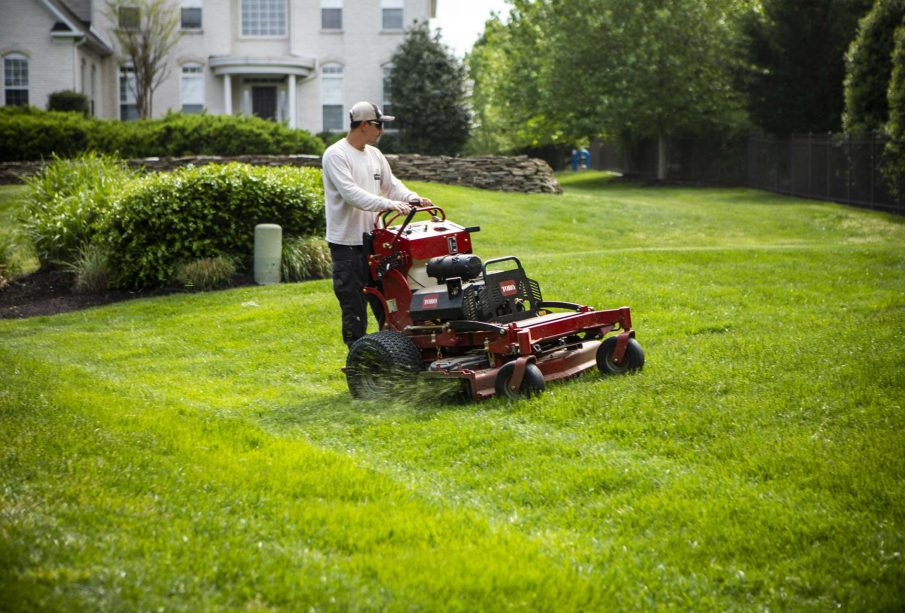
Looking to achieve a lush, green lawn in Braselton, GA? This blog post encompasses all you need to learn—from seasonal maintenance techniques to selecting the proper services suitable for your yard. Whether you’re battling weeds, upgrading curb appeal, or simply aiming to invigorate your grass, this manual will assist you remove the uncertainty from lawn care and acquire professional outcomes. Moreover, we’ll inspect several specialized tactics to construct a beautiful landscape and stay informed about ongoing trends in horticultural science. So whether you prefer a simple lawn or a sprawling botanical oasis, consider our team of specialists for advice customized to your property’s unique needs. Striving for eco-friendly practices or budget-friendly solutions? We’ve got you covered.
The Science Behind Grass Choices: Picking the Perfect Fit for Your Braselton Property
Selecting the proper grass variety is crucial for establishing a vibrant lawn in Braselton, GA, where weather fluctuates significantly all year. Common grass choices here include Bermuda, Zoysia, and Fescue, each with unique perks catering to varying lifestyles and site conditions. Bermuda thrives in heat, perfect for Braselton’s long, hot summers. It’s a hardy sod that withstands heavy use, ideal for families with active kids enjoying sports outside. Zoysia forms a dense mat not just tolerating drought but less prone to weeds thanks to dense growth. Meanwhile, Fescue adapts to varied conditions like tree-covered areas, allowing homeowners to maintain an attractive lawn with less-than-ideal light. Consider each variety’s distinct traits plus your lawn’s sunlight, moisture, and intended activities to select the best match, establishing a foundation for an eye-catching yard boasting beauty through diverse yet balanced textures.
Soil Secrets: How to Test and Enrich Your Lawn’s Foundation
Soil functions as the sustaining foundation for any lawn, its roots firmly gripping nurturing nutrients within the soil’s depths. Testing your soil is a critical initial step for cultivating a beautifully verdant lawn. Residents of Braselton can conduct soil analyses through local extension services or employ DIY home testing kits, measuring pH balance and nutritional content. Ideally, lawn soil should maintain a pH level between 6.0 and 7.0 for optimal nutrient availability. Should your soil test indicate an excessive acidic or alkaline composition, amendments like limestone (to raise pH) or sulfur (to lower pH) can be supplemented appropriately. Furthermore, enriching the soil with compost or organic matter can enhance structure, improve drainage, and increase nutrient retention within the soil, promoting more robust root systems. Regularly amending and replenishing your soil will facilitate a strong and thriving lawn resilient to disease and drought.
Environmental Influences: How Braselton’s Climate Shapes Lawn Strategies
The climate in Braselton presents unique opportunities and obstacles for those dedicated to their lawns. Characterized by hot, humid summers and mild winters, discerning the seasonal demands is pivotal for effective maintenance. During summer, temperatures can surge into the high nineties, placing strain on grass, especially without sufficient hydration. Consequently, customizing care routines to accommodate these fluctuations becomes imperative. For instance, watering early in the morning throughout peak summer months minimizes evaporation, allowing grass to optimally absorb moisture. Additionally, consistent mowing ensures grass remains at the ideal height to promote root growth while choking weeds benefited by excess sunlight. As winter approaches, focus shifts toward hardening-off practices like applying a final fertilizer serving not only to help lawns endure the cold but also priming them for vigorous regrowth anticipated with spring.
Mastering Techniques: Fundamental Lawn Care Skills
The Craft of Mowing: Methods for a Healthier Lawn
While mowing a lawn seems a basic chore, adopting the proper technique significantly impacts both health and aesthetics over time. The grass height establishes a foundational consideration, as Bermuda lawns thrive around one to one and a half inches, while Zoysia prefers two to two and a half inches. Cutting shorter exposes vulnerable soil to stresses from weeds and pests invading the damaged turf. Foremost is adhering to the prudent “one-third rule” – never remove over a third of a blade in a single pass, encouraging sturdiness while photosynthesis sustains lush green coverage across the yard. Rather than habitual patterns straining soil, alternating row directions weekly helps maintain firm footing throughout. Regularly sharpening mower blades ensures a tidy trim to avoid ragged, open wounds prone to infections compromising the pristine landscape.
Irrigation Insights: Watering Strategies in Georgia’s Sweltering Summers
Watering lawns properly in Braselton requires care given the relentless heat of summer. Generally, aim to supply 1 to 1.5 inches of water weekly through rain or sprinklers. To check moisture, push a screwdriver into grass – it should pierce without effort; dry soil means watering time. Deeper, less frequent watering encourages deeper roots, boosting drought tolerance. Additionally, smart systems precisely time irrigation for maximum benefit, minimizing waste and optimizing each drop. Adjust schedules seasonally and according to rainfall to avoid disease or shallow roots from overwatering.
Fertilizing Fundamentals: Timing Techniques for Peak Performance
A nutrient-rich lawn relies on properly applied fertilizer supplying nitrogen, phosphorus and potassium. Application timing impacts results – a late spring dose boosts summer growth producing vibrant green blades. However, avoid fertilizing too late in fall to prevent frost-vulnerable new growth. Soil testing guides fertilizer selection like granular, liquid or slow-release versions tailored to deficiencies. Organic amendments such as compost also fortify the soil while releasing nutrients gradually for hardier grass. Even spreading with a spreader ensures uniform coverage minimizing waste and environmental impacts.
Lawn Pests Eradication: Tactics for a Flourishing Yard
Bug Deterrent Schemes: Keeping Your Grass Insect-Free and Hearty
Creatures can devastate your precious turf if not adequately supervised and overseen. Common critters such as grubs, chinch insects, and soldierworms are abundant in Georgia’s conditions, nibbling on roots and foliage, leading to unsightly brown patches. An operative bug management plan starts with observing and recognizing pests early. Keeping a sound lawn through appropriate watering, fertilizing, and trimming will build an environment less inviting to infestations. For quick control, natural or chemical pesticides can be used, with cautious attention to the product labels to ensure they are suited for your precise lawn type. Additionally, employing beneficial insects like ladybugs and microscopic worms can offer natural pest deterrence while preserving ecological balance. Regularly scouting your lawn for indications of infestation will allow you to take preemptive steps before pests become a considerable danger.
Weeds Be Gone: Effective Methods for Taming Unwanted Growth
Weeds are persistent adversaries standing in the way of a pristine lawn. Competing with established grass for nutrients, water, and sunlight, weeds lead to declining health in grass. Effective weed management starts with early identification and prevention. A healthy lawn through proper care techniques makes it less welcoming to weed seeds sprouting. Annual weeds can be disrupted by applying pre-emergent herbicides in early spring before they become established. Perennial weeds may be tackled using selective herbicides or hand-pulling when soil is moist. However, always follow herbicide use with soil amendments to maintain your desired grass’s health. Consider adopting a mulching strategy in flower beds and garden borders, greatly reducing weeds while boosting soil health. Regularly scheduled lawn care in Braselton, GA practices minimize weeds’ chances of colonizing turf.
Identifying and Treating Lawn Issues at the Start of Disease Discovery
Lawn diseases can manifest in various forms, from brown patches to dollar spots and rust. Identifying signs of lawn diseases is crucial for controlling them before they wreak havoc on grass. Environmental factors like high humidity, excessive moisture from over-watering, and poor air circulation cultivate perfect conditions for fungal growth. Regularly scouting your lawn for unusual color changes, patchy areas, or mold can help early detection. Once diagnosed, treatments range from cultural practices—like adjusting water schedules and ensuring proper mowing height—to fungicidal applications for severe situations. Aeration also helps alleviate disease pressure by improving soil drainage and increasing airflow within the grass canopy. Remember, the key to combating lawn diseases lies in consistent and observant lawn care routines.
Beyond the Basics: Taking Lawn Care to the Next Level
Seasonal Adjustments: Tailoring Your Plan Throughout the Year
Advanced lawn care necessitates comprehending that every season presents unique struggles and opportunities for progress. During springtime, focus on resuscitating the lawn following winter dormancy through aeration, reseeding, and the initial round of fertilizing. In the heat of summer, vigilant irrigation practices and timely pest control are crucial to battle the heightened temperatures and humidity. As leaves start to descend in autumn, keeping the lawn clear is critical to prevent fungal illnesses while preparing for winter through a final fertilizing application abundant in potassium to reinforce root toughness. In winter, restricting foot traffic is essential to avoid soil compaction and permitting rest for your turf. Making adjustments to suit each season will elevate your lawn’s health and beauty, providing you with an edge in your landscaping endeavors.
Blending Form and Function: Integrating Aesthetics and Practicality
Landscaping is the art of harmoniously combining beauty with practicality, aimed not solely at enhancing the curb appeal of your property but also ensuring that it serves useful purposes. For instance, establishing garden beds with native plants can decrease the need for excessive water and fertilizer while offering habitats for pollinators. Incorporating hardscapes like paths, patios, and retaining walls can improve your space’s practicality while dictating the flow of foot traffic throughout your yard. Moreover, strategically placed trees can offer shade that reduces lawn stress during the hottest months while providing aesthetic value. When landscaping, prioritize plants that thrive in Braselton’s climate and soils to create a low-maintenance, sustainable landscape. This synergy between practicality and aesthetics ensures your outdoor space becomes not just a beautiful showcase but also a versatile living area.
Sustainable Practices: Eco-Friendly Lawn Care Tips for Awareness
In an era when safeguarding the planet has become a priority, adopting eco-friendly lawn care routines is indispensable. Using natural fertilizers and pesticides that minimize chemical leeching preserves surrounding habitats. Downsizing grass areas by adding native flora and landscaping requiring less irrigation can help preserve water and labor while reducing costs. Composting organic materials nourishes soil without relying on synthetic boosters. Implementing techniques like mulching and letting grass grow longer not only conserve moisture but offer habitat for helpful insects that aid pest regulation. By dedicating efforts to sustainable lawn maintenance, you can enjoy benefits of a lively lawn while contributing to environmental wellness—a balance increasingly pivotal in today’s changing world.


