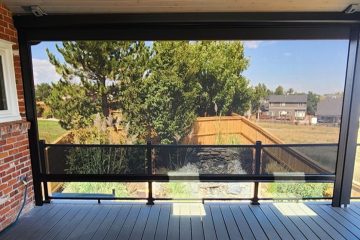
How Window Installation Can Improve the Way a Home Looks and Functions
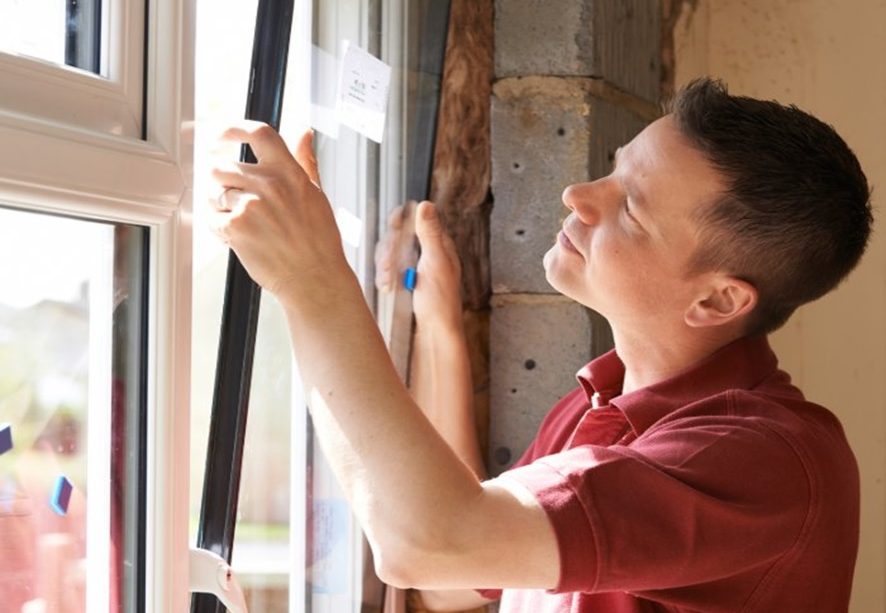
Windows influence much more than the appearance of a house. They affect natural light, ventilation, indoor comfort, exterior character, and how connected each room feels to the outdoors. When existing windows become difficult to operate, visibly damaged, or poorly suited to the home, replacing them can be a practical improvement. Professional window installation helps ensure new windows are properly fitted and positioned to perform as intended.
Homeowners researching replacement options can visit the website here to learn more about available window services. Before selecting new windows, it helps to consider how different rooms are used, what problems the existing windows are creating, and which features would provide the greatest improvement. A thoughtful project focuses on more than simply replacing old glass with something new.
Start With the Problems You Want to Solve
Every window project can begin for a different reason. Some homeowners are dealing with windows that stick when opened, while others notice drafts, damaged frames, condensation, or outdated designs. In another home, the main concern may simply be improving natural light or updating the exterior.
Identifying these priorities early makes the selection process easier. A homeowner focused on ventilation may prioritize windows that open widely and operate smoothly. Someone renovating a living room may care more about larger glass areas and an unobstructed outdoor view.
Understanding the purpose of the project helps prevent decisions based entirely on appearance.
Think About Each Room Separately
Using the same window style throughout an entire home may sound simple, but different rooms often have different needs.
A kitchen window may need to be easy to operate around a countertop or sink. Bedrooms can benefit from windows that provide ventilation while meeting applicable safety and egress requirements. Living rooms may have more flexibility to emphasize expansive views and natural light.
Bathrooms introduce additional considerations because homeowners may want daylight without sacrificing privacy.
Evaluating rooms individually allows window installation decisions to reflect how the household actually uses the space instead of applying one solution everywhere.
Natural Light Can Change the Feel of an Interior
A window does not need to become dramatically larger to influence the atmosphere of a room. Frame design, glass area, placement, and surrounding finishes can all affect how much daylight enters the space.
Natural light can make interiors feel brighter and more open. It may also highlight architectural details, flooring, furniture, and wall colors differently throughout the day.
However, more sunlight is not automatically better in every location. The direction a window faces matters because direct sunlight can create glare or increase heat at certain times. Homeowners should consider both the amount and timing of sunlight when choosing replacement windows.
The goal is to find a balance that complements the room throughout the day.
Ventilation Deserves More Attention
Homeowners often focus on appearance when shopping for windows, but ventilation is another important consideration.
Operable windows can help introduce fresh air when outdoor conditions are comfortable. Window style affects how air enters, so the best choice can depend on where the opening is located and how the room is arranged.
Furniture placement should also be considered. A window that requires a particular opening motion may be inconvenient if a sofa, desk, countertop, or other permanent feature blocks access.
Thinking about these everyday details before installation can make the finished windows easier to use.
Exterior Appearance Matters Too
Windows are visible from both sides of the wall. A style that looks attractive from inside should also make sense with the home’s exterior architecture.
Frame proportions, grid patterns, window sizes, and placement can influence curb appeal. Replacing several windows may provide an opportunity to create a more consistent appearance, particularly when older windows were installed at different times.
At the same time, homeowners do not necessarily need to make every window identical. Different styles can still work together when proportions and finishes create visual continuity.
A successful design should feel intentional rather than pieced together.
Accurate Measurements Are Essential
Even a high-quality window may perform poorly when the opening is measured or prepared incorrectly.
Professional window installation requires careful attention to dimensions, alignment, surrounding materials, and the condition of the existing opening. Installers may discover issues around older windows that should be addressed before the replacement unit is secured.
Proper fitting is also important for operation. Windows should open, close, lock, and seal as intended without unnecessary resistance.
This technical part of the project may not be as visually exciting as choosing a frame style, but it has a major influence on the final result.
Consider Maintenance Before Choosing Materials
New windows become part of a home’s long-term maintenance routine, so homeowners should think about what will be required to keep them in good condition.
Different frame materials can have different maintenance needs. Hardware, tracks, screens, and glass also require occasional cleaning or inspection.
Accessibility matters as well. A beautiful window positioned in a difficult location may become frustrating if cleaning the exterior glass requires complicated access.
Considering maintenance during the planning stage can help homeowners choose windows that fit their lifestyle rather than creating additional work later.
Installation Day Requires Some Preparation
Homeowners can make installation easier by preparing the areas surrounding the windows.
Furniture, curtains, blinds, decorations, and fragile items near the work area may need to be moved temporarily. Installers also need a clear path for carrying equipment and replacement windows through the property.
The amount of disruption depends on the size of the project and the condition of the existing openings. Replacing one or two windows is different from completing an entire house.
Discussing the expected process beforehand gives homeowners a clearer idea of how to prepare and what to expect during the project.
Look at the Home as a Complete System
Windows interact with many other parts of a property. Roof overhangs, landscaping, exterior shading, insulation, heating and cooling systems, and the orientation of the home can all influence indoor comfort.
For this reason, window installation should not be viewed as an isolated upgrade. Homeowners can consider how new windows will work with existing features and future renovation plans.
Someone planning an exterior remodel, for example, may want window finishes that coordinate with future siding or paint choices. A homeowner redesigning an interior may consider window placement alongside furniture and lighting.
Looking at the larger picture can lead to decisions that remain useful long after installation is complete.
Plan Your Window Installation Around Everyday Living
The best replacement windows are not simply the ones that look impressive in a catalog. They should make sense for the rooms, routines, architecture, and priorities of the people living in the home. Taking time to evaluate light, ventilation, operation, maintenance, appearance, and installation requirements can help homeowners make more informed choices.
For homeowners considering window installation, Bradenton Home Window Replacement can help evaluate existing windows and discuss replacement options based on the needs of the property. A carefully planned installation can create windows that feel like a natural part of the home while improving how its spaces look and function every day.