The kitchen—more than just a place to prepare meals—is the beating heart of any home. It serves as a hub for family gatherings, a space for creative culinary experimentation, and often, a place of solace where we retreat to unwind after a long day. The kitchen’s role has evolved over centuries, from simple, utilitarian spaces to modern sanctuaries of innovation, comfort, and style. Today, kitchens are designed not only for functionality but also as central gathering spaces that blend aesthetics with technology. Whether you’re cooking a simple breakfast or preparing a lavish dinner, the kitchen remains one of the most important rooms in the home, embodying both practicality and personality.
The Evolution of the Kitchen
Historically, the kitchen’s role in the home was very different from what it is today. In earlier times, kitchens were purely functional spaces, typically located in the back of the house or even in separate buildings. These spaces were where meals were prepared, but they often lacked the warmth or design attention given to other areas of the home. During the Middle Ages, kitchens were rudimentary, relying on hearths for heat and open fires for cooking. The advent of more modern appliances and building techniques in the 19th and 20th centuries revolutionized kitchen design.
The industrial revolution brought about advancements in cooking technology, and kitchens became more centralized within the home. With the introduction of gas stoves, refrigerators, and running water, cooking became more efficient and less labor-intensive. By the 20th century, the kitchen began to be recognized as an integral space for family life. The mid-century modern movement further influenced kitchen design, with a focus on sleek, functional lines, open shelving, and colorful appliances. The 21st century has seen a surge in high-tech kitchens, with smart appliances, sustainable materials, and open-plan layouts becoming the norm.
Today, the kitchen serves not just as a place to prepare meals, but also as a social space—often open to the living or dining area, fostering an environment of connection and conversation. The modern kitchen has evolved into a versatile environment, one that is both a place of work and leisure, where style, innovation, and function harmonize seamlessly.
The Functional Elements of the Kitchen
At its core, a kitchen is a highly functional space, designed to facilitate the efficient preparation of meals. Its layout is paramount to ensuring ease of movement and workflow. The classic kitchen work triangle—comprising the stove, sink, and refrigerator—remains a guiding principle in design, as it allows for smooth transitions between tasks. With the right layout, the kitchen can feel spacious and fluid, even in smaller homes.
The Sink and Countertop: Central to any kitchen’s function is the sink, where much of the meal preparation and cleanup occur. The countertop space surrounding it is equally essential, providing a surface for chopping, mixing, and assembling dishes. Materials for countertops vary widely, with granite, quartz, and marble being some of the most popular choices due to their durability and timeless appeal. For those seeking more eco-friendly options, recycled glass, bamboo, and concrete countertops are gaining traction, offering sustainability without compromising on style.
The Stove and Oven: The stove is the heart of the kitchen for many home cooks, whether it’s a high-end gas range, an induction cooktop, or an electric stove. Ovens come in many forms, from traditional wall ovens to convection and steam ovens, each offering specific advantages. Wall ovens, for example, are popular in modern kitchens as they can be installed at eye level, allowing for easy access without bending down. Some kitchens even incorporate double ovens, ideal for large families or those who entertain frequently.
Storage Solutions: Adequate storage is key to maintaining an organized kitchen. Cabinets, drawers, and pantry space must be optimized to keep tools, appliances, and ingredients easily accessible. Pull-out shelves, deep drawers, lazy Susans, and built-in dividers are just a few examples of innovative solutions that maximize space and improve functionality. Open shelving has become a popular design trend, offering a stylish way to display dishware, cookbooks, or decorative items. However, while open shelves can create an airy, inviting look, they require more maintenance as they often accumulate dust and grease from cooking.
Lighting: Lighting plays a crucial role in the kitchen, affecting both its functionality and atmosphere. Task lighting, such as under-cabinet lighting or pendant lights over an island, ensures proper visibility for cooking and food preparation. Ambient lighting, provided by ceiling fixtures or recessed lights, sets the mood for the entire room. Many modern kitchens incorporate dimmable lighting, allowing homeowners to adjust the atmosphere based on the time of day or the occasion. Accent lighting, such as LED strip lights under cabinets or around islands, can also add a dramatic flair to the space.
Aesthetic Considerations: Making the Kitchen a Design Statement
While functionality remains paramount, the kitchen is also a space where personal style can shine. Whether it’s through bold colors, statement appliances, or innovative materials, the kitchen can be a true reflection of a homeowner’s taste.
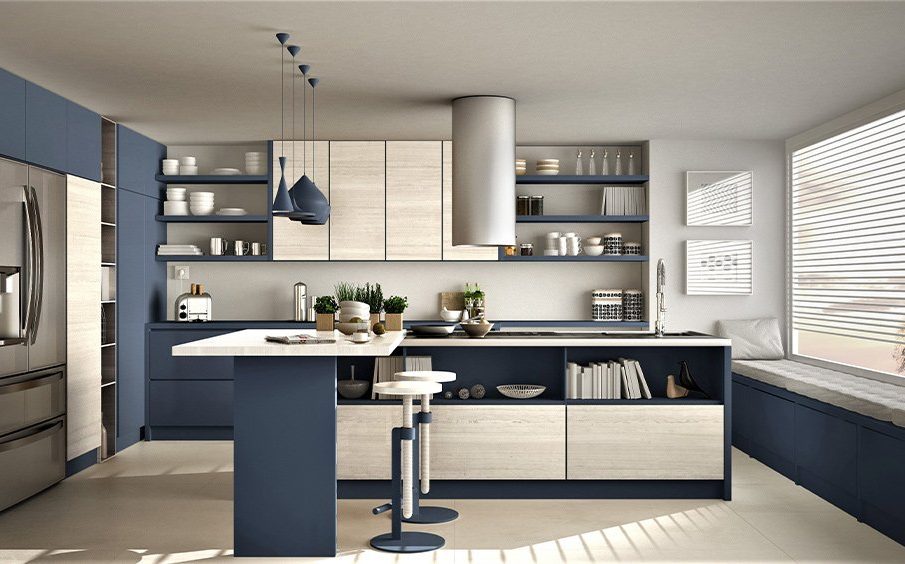
Cabinet Styles: The cabinetry in a kitchen often sets the tone for the entire room. Traditional shaker-style cabinets, with their clean lines and timeless appeal, continue to be a popular choice for both modern and classic kitchens. On the other hand, more contemporary designs favor minimalist, handleless cabinets with sleek, smooth finishes. For a more rustic look, wood cabinetry with distressed finishes can evoke a sense of warmth and character, often complemented by open shelving for a more relaxed, farmhouse feel.
Color Schemes: The color scheme in a kitchen should strike a balance between warmth and light, creating an inviting environment that feels both spacious and functional. While white remains a classic and versatile choice, bolder shades such as navy blue, deep green, or even black are becoming increasingly popular. These darker tones lend an air of sophistication and elegance to the kitchen, particularly when paired with gold or brass hardware. Lighter colors, such as pale grays and soft pastels, are perfect for smaller kitchens, as they help reflect light and make the space appear larger.
Materials and Finishes: The choice of materials in a kitchen impacts both its aesthetic and its functionality. Stainless steel appliances and fixtures continue to dominate modern kitchens, lending a sleek, professional appearance. However, materials like brass, copper, and matte black are gaining traction, offering a warm, sophisticated contrast to the cool tones of stainless steel. For countertops, natural stone like granite and marble remains highly sought after for its luxurious look and durability, while engineered options like quartz offer a wide range of colors and patterns with lower maintenance requirements.
Sustainability: As sustainability becomes an increasingly important consideration in design, many homeowners are opting for eco-friendly materials and energy-efficient appliances. Bamboo flooring, reclaimed wood cabinetry, and low-VOC paints are just a few examples of ways to create a more sustainable kitchen. Energy-efficient appliances, such as induction cooktops and Energy Star-rated refrigerators, are not only better for the environment but also help reduce long-term utility costs.
The Social Space of the Kitchen
While the kitchen’s functional elements are crucial, its role as a social space cannot be overlooked. Modern kitchens are often designed with open-plan layouts that encourage interaction between family members and guests. The kitchen island, once merely a surface for meal preparation, has become the focal point of many kitchens, offering a space for casual dining, conversation, or even work. Bar stools around an island provide an informal seating option that allows people to gather around while meals are being prepared, making the kitchen an active, social area.
The integration of technology further enhances the social aspect of the kitchen. Smart appliances, from refrigerators that alert you when supplies are running low to ovens that can be controlled remotely via smartphone, are making it easier for people to cook and entertain. Additionally, built-in speakers and screens allow homeowners to enjoy music, watch cooking tutorials, or even video chat with friends and family, making the kitchen a multifunctional, entertainment-ready space.
Conclusion
The kitchen is more than just a room where meals are made; it is a space where life happens. From the act of cooking to family dinners, from casual conversations to hosting large gatherings, the kitchen serves as the heart of the home, bringing people together and facilitating daily rituals. As both a functional workspace and a hub for social interaction, the kitchen should reflect the needs and tastes of the people who use it. With thoughtful design, careful consideration of layout and materials, and a focus on creating an inviting atmosphere, the kitchen can become a space that is not only a joy to work in but also a place to create memories, foster connections, and, of course, enjoy good food.