The Most Popular Kitchen Backsplash Trends of the Season
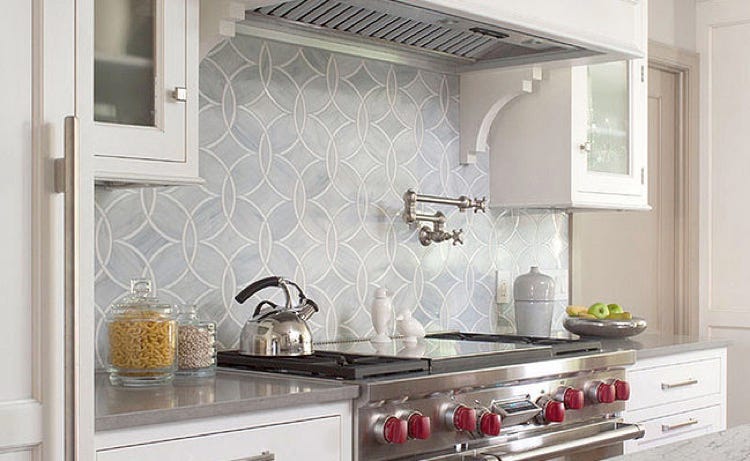
The kitchen backsplash has evolved far beyond its humble, utilitarian origins. Once installed strictly to shield drywall from grease splatters and water droplets, it is now considered the artistic anchor of the modern kitchen. Because it sits at eye level right beneath your cabinetry, the backsplash has a massive impact on the overall design aesthetic of your home.
This season, the design world is shifting away from safe, cookie-cutter options and embracing tactile textures, organic materials, and unexpected installations. Homeowners are treating the kitchen backdrop as an opportunity to inject personality, architectural depth, and refined luxury into their spaces. Whether you prefer a dramatic, seamless look or the subtle charm of artisanal craftsmanship, exploring the top backsplash trends of the season will inspire your next kitchen transformation.
The Rise of the Slab Backsplash
One of the most dominant high-end trends this season is the continuous slab backsplash, often referred to as a matching stone wrap. Instead of cutting tile into small pieces and separating them with lines of grout, designers are taking a single, massive piece of countertop material and running it straight up the vertical wall to the bottom of the upper cabinets or all the way to the ceiling.
Seamless Visual Continuity
This technique creates a sleek, unbroken plane of stone that makes a kitchen feel larger and more cohesive. When you use the exact same material for both your horizontal countertop and your vertical backsplash, the boundaries of the room blend together. The dramatic veins of marble, quartz, or quartzite are given a prominent vertical canvas, turning a functional element into a striking piece of wall art.
Low-Maintenance Luxury
Beyond the stunning visual appeal, slab backsplashes are incredibly practical for busy home chefs. Grout lines are inherently porous and notorious for trapping airborne grease, pasta sauce, and grime. Eliminating grout entirely leaves you with a flat, non-porous surface that can be wiped clean with a microfiber cloth and warm soapy water in seconds.
Artisanal and Zellige Tiles: Embracing Imperfection
While clean lines have defined kitchens for years, this season marks a powerful return to organic warmth. Handcrafted ceramic tiles, particularly Moroccan Zellige tiles, are capturing the hearts of homeowners who want their spaces to feel authentic and storied rather than factory-made.
-
Unique Variations: Authentic Zellige tiles are molded, cut, and glazed by hand from natural clay, then fired in wood-fueled kilns. Because of this ancient process, no two tiles are identical. Each piece features slight variations in thickness, irregular edges, tiny glaze pits, and unique tonal shading.
-
The Power of Reflection: When these tiles are installed closely together, their uneven surfaces catch and bounce natural sunlight around the room in a way that standard, machine-milled tiles cannot mimic. The result is a dynamic, shimmering effect that introduces rich movement and sensory texture to the kitchen wall.
-
Color Depths: Instead of flat colors, handcrafted tiles offer a watercolor effect. A box of white Zellige tiles will include subtle undertones of cream, pale gray, soft pink, and ivory, ensuring the final installation looks deep and intentional.
Vertical Stacking: A Modern Twist on Subway Tile
Classic three-by-six-inch white subway tile will never truly go out of style, but the traditional horizontal running bond pattern can occasionally feel predictable. This season, designers are breathing new life into this affordable staple simply by rotating the layout ninety degrees.
Linear Perfection
Vertical stacking involves lining up rectangular tiles directly on top of one another in neat, straight vertical columns. This grid pattern creates a clean, architectural look that feels rooted in mid-century modern or contemporary minimalist aesthetics. It provides a geometric framework that pairs beautifully with flat-panel slab cabinetry and clean-lined floating shelves.
Height Illusion
This installation pattern is an excellent tool for compact kitchens or spaces with low ceilings. The continuous vertical grout lines draw the eye upward toward the ceiling, creating an optical illusion that makes the room feel taller and more spacious than it actually is. To enhance this effect, consider using an elongated rectangular tile, such as a two-by-eight or two-by-ten-inch profile, which further accentuates the vertical lines.
Earthy, Moody Tones Take Center Stage
Bright, all-white kitchens are sharing the spotlight with richer, more grounded color palettes. Homeowners are increasingly drawing inspiration from nature to create spaces that feel cozy, sophisticated, and anchored.
-
Forest Greens and Sages: Green has established itself as a premier choice for kitchen design. From deep hunter green tiles paired with warm brass hardware to muted sage green backsplashes that complement light oak wood tones, green brings a soothing, organic energy into the heart of the home.
-
Warm Terracotta and Clay: Inspired by desert landscapes, warm terracotta tones, soft rust, and sandy beiges are replacing cold, stark grays. These colors inject an immediate sense of hospitality and old-world comfort into a kitchen, making the cooking space feel like an inviting gathering area.
-
Rich Charcoal and Navy: For those who want to make a dramatic statement, dark, moody backsplashes are highly popular. A matte black or dark charcoal tile backsplash contrasted against crisp white countertops creates a sophisticated, high-contrast dynamic that feels modern and upscale.
Extended Height: Going All the Way to the Ceiling
The days of stopping the backsplash exactly eighteen inches above the countertop at the base of the upper cabinets are fading. This season, the trend is to take the backsplash material all the way to the ceiling line, especially around range hoods, window frames, and open shelving systems.
When you extend the tile or stone all the way up the wall, you eliminate the awkward horizontal line where tile meets drywall. This creates a grand, custom-designed atmosphere that makes even modest kitchens look premium. It functions as a full accent wall, providing a unified background that allows open wooden shelves or a custom plaster range hood to stand out as elegant focal points.
Frequently Asked Questions
What type of grout is best to use for a kitchen backsplash?
For kitchen backsplashes, high-quality stain-resistant grouts like epoxy grout or pre-mixed urethane grout are highly recommended. Unlike traditional cement-based grout, which is highly porous and easily stained by cooking oils and dark liquids, epoxy and urethane grouts are non-porous once cured, meaning they resist water, stains, and bacterial growth without requiring regular sealing.
Can I install a heavy stone slab backsplash over standard drywall?
No, a heavy stone slab made of granite, marble, or thick quartz cannot be safely mounted directly onto standard half-inch drywall. The immense weight requires a sturdy foundation. Installers will typically cut out the existing drywall and replace it with a thick cement backer board or reinforce the underlying wall studs directly to bear the load safely.
How do I clean grease splatters off a handcrafted Zellige tile backsplash?
Because Zellige tiles have an impervious glass glaze, grease can be easily cleaned using a soft microfiber cloth dipped in a mixture of warm water and a mild, grease-cutting dish soap. Avoid using harsh abrasive powders, steel wool, or acidic cleaners, which can dull or scratch the delicate hand-fired glaze surface over time.
What is the average cost difference between a tile backsplash and a slab backsplash?
A slab backsplash is significantly more expensive than a tile backsplash. Tile allows you to pay for materials by the square foot with relatively low installation labor costs. A slab backsplash requires purchasing a full, expensive extra slab of stone, hiring specialized fabricators to cut precise holes for electrical outlets, and employing a professional crew to handle and install the heavy piece.
How do you handle electrical outlets with a continuous slab backsplash?
There are two main strategies. The traditional route is to have the stone fabricator use high-precision water jets to cut matching holes in the slab so the outlets sit flush in their standard locations. The more modern, seamless option is to eliminate wall outlets entirely and install low-profile under-cabinet power strips right beneath the upper cabinetry, keeping the stone surface completely uninterrupted.
Should I choose a glossy or a matte finish for my backsplash tiles?
Glossy finishes are excellent for smaller or darker kitchens because their reflective surfaces bounce light, making the space feel brighter and more open. They are also incredibly easy to wipe clean. Matte finishes offer a more contemporary, subtle aesthetic that hides fingerprint smudges and water spots better, though they can sometimes require a bit more effort to scrub clean if grease bakes onto the surface.
Is it possible to tile over an existing old tile backsplash to save money?
While it is technically possible if the old tile is perfectly flat, stable, and well-bonded, tiling over old tile is generally not recommended. Doing so adds extra thickness to the wall, which pushes the new backsplash forward past your countertop edges, creates awkward transitions around window casings, and makes it difficult to reinstall your electrical outlets safely.