How to Choose a Safe and Eco-Friendly Pest Control Service
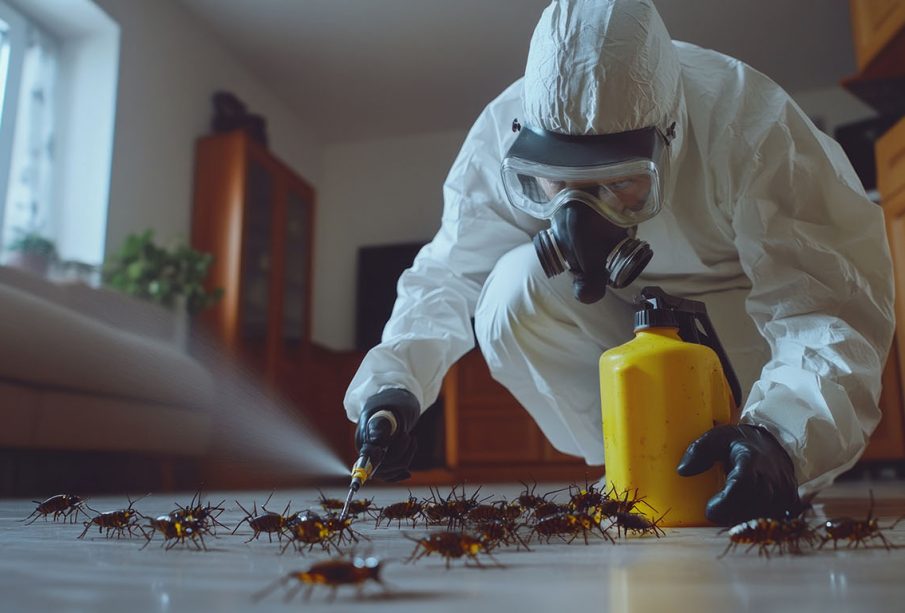
Discovering an insect or rodent infestation in your home can be deeply unsettling. The immediate reaction is often a desire to eliminate the problem as quickly as possible. However, traditional pest control methods have historically relied on broad-spectrum synthetic chemical applications. These aggressive treatments can leave behind residues that pose potential risks to your family, your pets, and the local ecosystem.
Fortunately, the modern pest management industry has evolved significantly. Homeowners no longer have to choose between a pest-free household and environmental responsibility. Selecting a truly safe and eco-friendly pest control service requires understanding modern pest management philosophies, verifying company credentials, and looking past deceptive marketing language.
Understand the Foundation: Integrated Pest Management
The golden standard for environmentally responsible pest control is a methodology known as Integrated Pest Management, or IPM. If a pest control company does not base its business model on IPM principles, they are likely relying on routine, heavy chemical spraying.
Integrated Pest Management is an ecosystem-based strategy that focuses on long-term prevention of pests and their damage through a combination of techniques. Rather than simply showing up and spraying an active chemical barrier around your baseboards, an IPM-focused technician will look at why the pests are there in the first place. The process is broken down into four essential tiers:
-
Inspection and Identification: Not all bugs are bad, and different pests require different approaches. A technician must accurately identify the exact pest species to tailor a specific, minimal treatment plan.
-
Monitoring and Action Thresholds: IPM dictates that the mere presence of a single insect does not automatically justify chemical intervention. Technicians establish a threshold where the pest population actually becomes a health or structural threat.
-
Prevention through Exclusion: This involves blocking the entries. An eco-friendly service will dedicate time to sealing cracks, installing door sweeps, and fixing window screens to physically keep pests outside.
-
Control Tactics: When intervention is necessary, the company will prioritize the least hazardous methods first. This includes mechanical traps, physical barriers, biological controls, and targeted, low-toxicity botanical or mineral treatments.
Look Past the Greenwashing
As consumer demand for environmentally safe products rises, many businesses engage in greenwashing. This is the practice of using vague, unregulated terms to make a service appear environmentally friendly when it is not.
Be highly skeptical of companies that rely solely on buzzwords like all-natural, green, eco-safe, or chemical-free in their advertising. Water is a chemical, so nothing is truly chemical-free. Furthermore, natural substances like arsenic or nicotine are highly toxic despite being entirely organic.
To separate real eco-friendly practitioners from marketing ploys, ask the company for the specific Material Safety Data Sheets, now known simply as Safety Data Sheets or SDS. A legitimate eco-friendly provider will gladly share these documents with you. The SDS outlines the exact chemical composition of the products, their potential hazards, and the safety measures required during application.
Verify Professional Certifications and Credentials
Anyone can buy a tank sprayer and claim to run an eco-safe business. To protect your property, you must look for independent, third-party verifications that hold the company accountable to strict standards.
EcoWise Certified or GreenPro
Look for companies that carry specific industry certifications. Programs like GreenPro, which is managed by the National Pest Management Association, ensure that a service provider adheres to comprehensive eco-friendly and IPM practices. To maintain this credential, companies must undergo regular audits and ensure their technicians receive continuous training in reduced-risk pest management.
Proper Licensing and Insurance
Never hire an unlicenced pest control technician. Every state has a regulatory agency, usually the Department of Agriculture or a structural pest control board, that licenses applicators. Ensure the company possesses up-to-date commercial applicator licenses, general liability insurance, and workers’ compensation coverage. This protects you from legal liability if an accident occurs on your property.
Evaluate the Treatment Methods and Product Selection
When an eco-friendly service determines that a pest population has crossed an acceptable threshold, they will deploy targeted products that break down rapidly in the environment and carry minimal mammalian toxicity.
-
Botanical Oils: Many modern eco-safe products utilize concentrated plant essential oils, such as rosemary, mint, thyme, clove, and wintergreen. These oils contain natural compounds that disrupt the nervous systems of specific insects but are completely harmless to humans and domestic pets.
-
Mineral-Based Dusts: Materials like boric acid and diatomaceous earth are highly effective mineral treatments. Diatomaceous earth consists of fossilized algae that absorbs the protective waxy outer layer of an insect’s exoskeleton, causing it to dehydrate naturally. Because it works mechanically rather than chemically, insects can never develop an immunity to it.
-
Targeted Bait Stations: Instead of broadcasting liquids over a wide area, eco-friendly companies rely heavily on enclosed bait stations, particularly for termites, ants, and cockroaches. The pests ingest the bait and carry it back to the colony, neutralizing the infestation at the source while preventing any chemical contact with your indoor living surfaces.
Assess the Company’s Operational Practices
A truly eco-friendly company does not stop being green when they put down their spray equipment. Their entire operational philosophy should reflect environmental stewardship.
During your initial consultation, ask about their waste reduction and vehicle choices. Do they use fuel-efficient or hybrid service vehicles to minimize their carbon footprint? Do they utilize digital paperless invoicing, inspection reports, and contracts to reduce office waste? A company that cares about its broader environmental footprint will naturally implement sustainable practices across all aspects of its business structure.
Furthermore, pay attention to the guarantees they offer. Be wary of companies that promise absolute 100 percent elimination forever via monthly chemical scheduling. Pests are part of the natural outdoor world, and a realistic, eco-friendly provider will emphasize a partnership of ongoing maintenance, structural repairs, and cleanliness rather than relying on endless chemical eradication loops.
Frequently Asked Questions
Are eco-friendly pest control methods as effective as traditional chemical treatments?
Yes, eco-friendly pest control is highly effective, but it operates on a different timeline. Traditional chemicals are designed to kill insects instantly on contact but can leave long-lasting toxic residues. Eco-friendly methods focus on altering the environment, disrupting reproduction cycles, and sealing entry points. While it may take slightly longer to see initial results, the long-term protection is often superior because it addresses the root cause of the infestation.
Do I need to leave my home during an eco-friendly pest control application?
In most cases, you do not need to vacate your home during an eco-friendly treatment. Because these services prioritize low-toxicity botanical oils, gel baits, and mechanical traps, there are generally no airborne chemical hazards or strong synthetic fumes. However, if you or your family members have specific respiratory conditions, severe allergies, or chemical sensitivities, it is always wise to consult with the technician beforehand.
Will eco-friendly pest control products wash away quickly in the rain?
Modern organic and botanical pest control products are formulated with specialized carriers and natural binding agents that allow them to adhere to exterior surfaces quite well. However, like traditional synthetic chemicals, extreme weather events or continuous heavy rainfall will eventually break down the outdoor protective barrier, requiring periodic re-applications to maintain protection.
How does eco-friendly pest control protect beneficial insects like bees and butterflies?
Eco-friendly pest control avoids the indiscriminate broadcast spraying of flowering plants where pollinators gather. Technicians utilizing integrated pest management principles will place targeted baits, use localized injections into structural wall voids, or apply specific deterrents directly to pest harborage zones, ensuring non-target beneficial insects remain unharmed.
Is eco-friendly pest control safe for sensitive companion animals like birds and fish?
While botanical oils and mineral dusts are exceptionally safe for dogs and cats, certain aquatic pets and exotic birds have unique respiratory and biological sensitivities. Concentrated essential oils can be toxic to fish if they contaminate an open aquarium. Always inform your pest control provider about all animals residing in your home so they can adjust their application techniques or avoid specific rooms entirely.
What role does the homeowner play in an eco-friendly pest management plan?
The homeowner plays a critical role in the success of an eco-friendly plan. Because these methods rely less on heavy chemical barriers, you must maintain proper sanitation habits. This includes keeping kitchen counters clear of food crumbs, storing grains in airtight containers, repairing leaky plumbing fixtures promptly, and clearing away dense brush or woodpiles from the immediate perimeter of your home foundation.