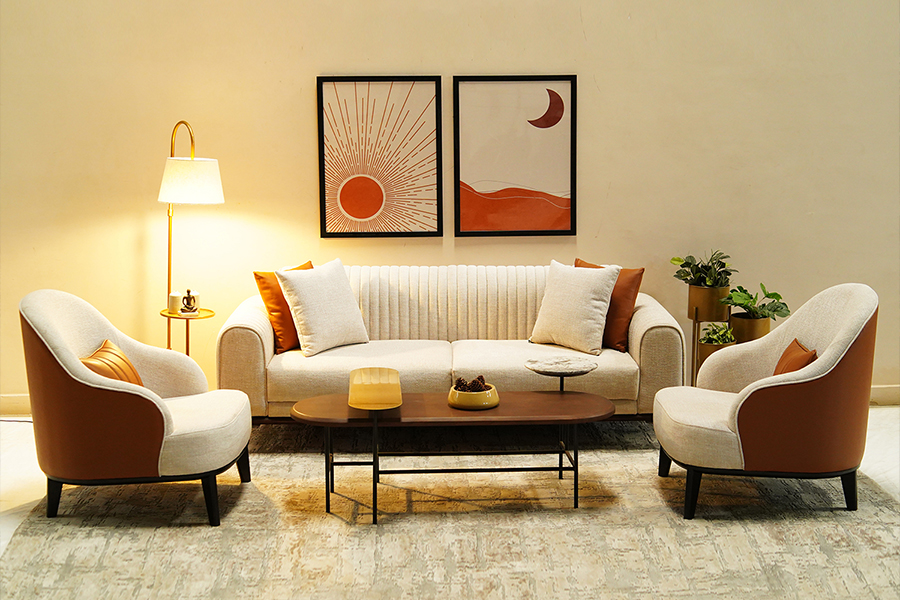
Furniture is often the defining element in any room, weaving together functionality, comfort, and aesthetic appeal into a cohesive narrative. From the sturdy dining table that serves as the center of family gatherings to the plush armchair that cradles us in comfort after a long day, furniture is integral to the way we live, work, and interact. It reflects our tastes, our lifestyle, and even our values, providing not just utility but also a sense of identity and personality. A well-chosen piece of furniture has the power to transform a space, enhancing its function while contributing to its beauty. Yet, the art of selecting and arranging furniture is not merely about filling a room with attractive pieces; it’s about crafting an environment where comfort, style, and purpose coexist harmoniously.
The Evolution of Furniture Design
Throughout history, furniture has mirrored changes in society, technology, and culture. In ancient times, furniture was primarily functional and utilitarian, with little emphasis placed on aesthetics. Early chairs, for example, were designed to elevate the sitter above the ground, providing a functional seating solution, but they lacked the intricate designs and elegance that later became hallmarks of furniture craftsmanship. Over time, as cultures advanced, so too did furniture design. The Renaissance period ushered in an era of fine craftsmanship, where furniture was not only functional but also a symbol of wealth and status. Ornate carvings, luxurious fabrics, and intricate inlays became common, especially in the homes of nobility.
By the 18th and 19th centuries, as industrialization took hold, mass production led to more standardized pieces that were accessible to the middle class. The simplicity and practicality of Victorian furniture, with its sturdy construction and attention to detail, contrasted with the more opulent designs of earlier periods. The mid-20th century brought about a shift toward minimalist and functional designs, epitomized by the Mid-Century Modern movement, which focused on clean lines, open spaces, and an emphasis on utility.
In contemporary times, furniture design is incredibly diverse, with styles ranging from ultra-modern to vintage-inspired, and with many pieces incorporating innovative materials and sustainable production methods. Today’s furniture combines artistry with functionality, offering something for every taste and budget. This evolution of furniture reflects the dynamic and ever-changing nature of the human need for both form and function.
The Functional Role of Furniture in Our Lives
While furniture undeniably serves an aesthetic function, its primary role is to support the needs of daily life. The functionality of furniture is often dictated by the space in which it resides and the purpose it serves. In the living room, for instance, seating is paramount. Sofas, chairs, and coffee tables form the foundation of this space, encouraging relaxation, socialization, and even work or study in many households. The selection of seating, from sectional couches to armchairs or even minimalist futons, speaks volumes about how a family or individual interacts with the space. In a smaller apartment, multifunctional furniture, such as fold-out tables or storage ottomans, can maximize space and serve multiple purposes, making efficiency key.
In the bedroom, furniture not only ensures comfort but also plays a crucial role in personalizing the space. The bed, often the centerpiece of the room, is where we spend a third of our lives, making its design a central concern. Whether a sleek modern platform bed or a traditional four-poster, the bed must provide comfort, support, and a sense of tranquility. Similarly, bedside tables, wardrobes, and dressers add both storage and style to the room, while helping to maintain a sense of order. For those with limited space, the use of built-in shelving or multifunctional furniture like lofted beds can help keep the room feeling open and airy.
The dining room is another space where furniture takes on a more functional role. The dining table is not just a place for meals, but a space for conversation, celebration, and family bonding. The choice of table—whether a grand, formal piece or a more casual, modern design—sets the tone for the space and influences how people gather. Dining chairs must not only complement the table’s design but also provide comfort for long meals and gatherings.
Even in workspaces, where functionality is the foremost concern, the design of furniture plays a significant role in productivity. Office desks, ergonomic chairs, and storage units must cater to the needs of the user while fostering an environment conducive to focus and creativity. As many individuals transition to remote work, the importance of having well-designed, functional furniture that promotes good posture and supports a productive workday has become more apparent than ever.
The Art of Furniture Selection and Design
Selecting the right furniture for a space requires a delicate balance between practicality, comfort, and style. The first step is to understand the purpose of the room and how the furniture will be used. This foundational understanding shapes decisions around the size, shape, and material of the pieces. For instance, a spacious, open-plan living area might call for a large sectional sofa that can accommodate multiple people, while a cozy, intimate space might benefit from a smaller, more compact seating arrangement.
The material selection is another key aspect of furniture design. Wood has been a traditional material for furniture for centuries, admired for its beauty and durability. Different types of wood—such as oak, cherry, and walnut—each have their own distinct qualities, lending different textures, colors, and patterns to the furniture. Wood can evoke warmth and rustic charm or a more refined, elegant atmosphere, depending on the finish and style of the piece.
Metal furniture, which often boasts a sleek, modern look, brings an industrial edge to a space. Steel and aluminum offer durability and are frequently used in contemporary designs, especially for minimalist pieces or outdoor furniture. Glass, too, plays an important role in modern furniture, especially for tables, shelving units, and decorative pieces. It provides a sense of lightness and transparency, offering an open, airy feel to a room.
Another important consideration is the size of the furniture in relation to the space. In smaller rooms, oversized pieces can overwhelm the space, creating a sense of clutter rather than comfort. Conversely, too-small furniture can make a room feel sparse and uncomfortable. Furniture should be scaled appropriately to the size of the room, with a sense of balance and proportion that allows for both functionality and flow. In larger spaces, a collection of variously sized pieces—such as a combination of armchairs, couches, and coffee tables—can create a more inviting, dynamic environment.
Color, pattern, and texture also play a significant role in the overall effect of furniture. Neutral tones—such as grays, whites, and beiges—create a serene, timeless backdrop, allowing other elements in the room to stand out. Bold colors, patterns, and textures can introduce energy and personality into a space, particularly in accent pieces like throw pillows, rugs, and statement chairs. In modern design, there is often an emphasis on simplicity, with clean lines and neutral tones taking center stage. However, vintage and eclectic styles may lean toward more ornate or contrasting furniture choices that add layers of visual interest.
The Psychological Impact of Furniture
Furniture does more than just serve a physical function—it also has a psychological impact. A well-furnished room can evoke feelings of comfort, relaxation, and security. Conversely, a space filled with uncomfortable or mismatched furniture can cause discomfort, anxiety, or disorientation. The way we arrange our furniture also affects the flow of energy within the room, often referred to as “feng shui” in Chinese philosophy. For example, in the living room, arranging seating to face each other promotes conversation and connection, while positioning furniture away from the walls can make the room feel more inviting and inclusive.
Comfort is perhaps the most crucial factor in furniture selection, especially for pieces meant for relaxation. Soft, plush sofas and beds that support the body properly create an environment conducive to rest and relaxation. The ergonomic design of office chairs and desks can reduce strain on the body, enhancing productivity while maintaining comfort. Even something as simple as a well-placed armrest or cushion can make a dramatic difference in the user experience.
Conclusion
Furniture is an essential aspect of interior design, shaping the functionality, aesthetic, and comfort of a space. It is the foundation upon which the personality of a room is built, allowing individuals to express their tastes and preferences while meeting their practical needs. From the humble chair to the elaborate dining table, furniture has the power to elevate the everyday experience. By choosing pieces that reflect both form and function, and by understanding how furniture works within a room’s context, homeowners and designers can create spaces that are not only beautiful but also supportive of daily life. Furniture, in all its diversity, has the ability to transform a house into a home—one thoughtful piece at a time.