Home Lockers vs Bank Lockers: Which Is the Smarter Choice Today?
When it comes to protecting valuable belongings, choosing the right storage option is more important than ever. People often debate whether to keep their valuables at home or rent a bank locker. While bank lockers have been a trusted choice for years, modern security solutions have made it possible to safeguard important items within the comfort of your own home. Understanding the differences between these two options can help you make the right decision for your needs.
Today, home lockers have become a preferred choice for many Indian families because they offer convenience, security, and instant access. Whether you want to store jewellery, important documents, cash, passports, digital devices, or sentimental possessions, a well-designed locker provides peace of mind without requiring frequent trips to the bank.
Understanding Home Lockers
A home locker is a secure storage unit designed to protect valuables from theft, unauthorized access, and, in many cases, fire damage. Available in various sizes and locking mechanisms, these lockers can be installed in homes, apartments, and offices. Many modern models include digital locks, biometric authentication, or dual-locking systems for enhanced protection.
With increasing awareness about home security, more homeowners are investing in lockers that combine durability with ease of use.
What Are Bank Lockers?
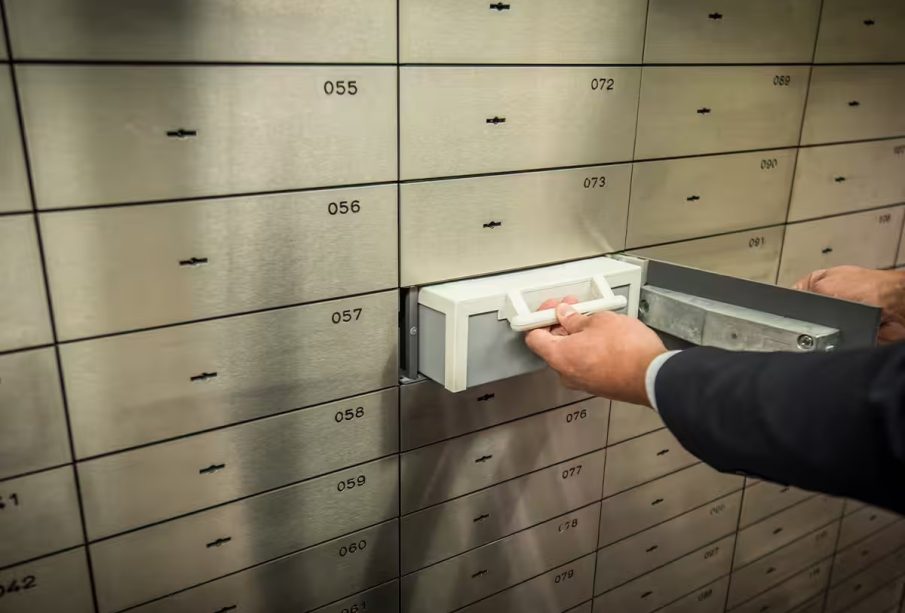
Bank lockers are storage compartments rented inside bank premises. Customers pay an annual rental fee to store jewellery, important documents, and other valuables. While banks offer secure facilities, access is restricted to banking hours and may involve paperwork or waiting during busy periods.
Bank lockers are suitable for items that do not require regular access, but they may not always be the most convenient option for everyday needs.
Home Lockers vs Bank Lockers: Key Comparison
1. Convenience
One of the biggest advantages of keeping valuables at home is immediate access. You can retrieve important documents or jewellery whenever needed without planning a visit to the bank.
Bank lockers, on the other hand, can only be accessed during working hours, which may not be convenient during emergencies or holidays.
2. Accessibility
A home locker allows family members with authorized access to use it whenever required. This is especially useful during festivals, weddings, or urgent situations.
Bank lockers require visiting the branch, completing verification procedures, and sometimes waiting for availability, making the process more time-consuming.
3. Cost
Buying a locker for your home is usually a one-time investment. Once installed, there are no yearly rental charges.
Bank lockers involve recurring annual rental fees, and charges may increase over time depending on locker size and bank policies.
4. Security Features
Modern home lockers are equipped with advanced security features such as digital PINs, biometric access, motorized locking systems, and solid steel construction. Many are also designed to resist tampering and forced entry.
Bank lockers benefit from multiple layers of institutional security, but users still depend on the bank’s operational timings and policies.
5. Privacy
Using a locker at home offers greater privacy since only authorized individuals can access it.
With bank lockers, visits are recorded, and access follows bank procedures, which may not provide the same level of personal convenience.
Which Valuables Are Best Stored at Home?
Many households use lockers to safely store:
- Gold and silver jewellery
- Property papers
- Passports
- Insurance documents
- Cash for emergencies
- Digital storage devices
- Family heirlooms
- Important certificates
Having these items readily available can save valuable time during emergencies.
When Does a Bank Locker Make Sense?
Bank lockers can still be useful for storing valuables that are rarely required, such as inherited jewellery or documents that do not need frequent access. They may also suit people who prefer keeping certain assets outside their residence.
However, for everyday convenience, many families now prefer maintaining secure storage at home.
Tips for Choosing the Right Home Locker
Before purchasing a locker, consider the following:
- Select the right size based on your storage requirements.
- Look for strong steel construction.
- Choose advanced locking options like digital or biometric systems.
- Consider fire-resistant features if available.
- Install the locker in a concealed and secure location.
- Purchase from a trusted manufacturer that offers reliable after-sales support.
Conclusion
Both storage options have their own advantages, but the right choice depends on your lifestyle and security needs. For most families today, home lockers offer the perfect balance of convenience, accessibility, privacy, and long-term value. They eliminate the need for repeated bank visits while ensuring that important belongings remain protected and easily accessible whenever required. As modern security technology continues to improve, investing in home lockers has become a practical and smart decision for safeguarding valuables in everyday life.