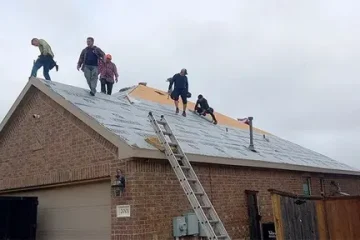
How Roof Age Affects Home Insurance Eligibility
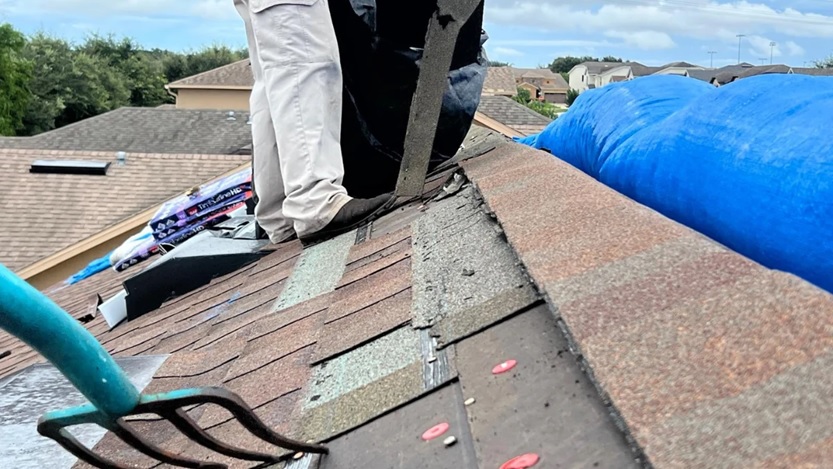
For homeowners in St. Petersburg, your roof does more than protect your home from the elements—it can also play a major role in your home insurance coverage. With the area’s exposure to intense sun, heavy rain, tropical storms, and occasional hurricanes, insurance providers pay close attention to the age and condition of residential roofs.
Many property owners are surprised to learn that an aging roof can affect their ability to obtain new coverage, renew an existing policy, or qualify for favorable insurance rates. Understanding how roof age impacts insurance eligibility can help St. Petersburg homeowners avoid unexpected issues and make informed decisions about roof maintenance and replacement.
Why Insurance Companies Care About Roof Age
Insurance providers assess risk before issuing or renewing policies. Since the roof is one of the most important structural components of a home, its condition directly affects the likelihood of future claims.
In coastal communities like St. Petersburg, roofs endure year-round exposure to UV rays, salt air, humidity, and severe weather events. As roofing materials age, they become more susceptible to leaks, wind damage, and structural deterioration.
A roof nearing the end of its expected lifespan presents a higher risk to insurance carriers. As a result, many companies have stricter guidelines regarding roof age than they did in previous years.
How Different Roofing Materials Age
Not all roofs age at the same rate. Insurance companies often consider the roofing material when evaluating eligibility.
- Asphalt shingles typically last 15–30 years.
- Tile roofs can last 30–50 years or longer.
- Metal roofing systems often provide 40–70 years of service life.
- Flat roofing systems may have varying lifespans depending on materials and maintenance.
Even if a roof has not reached its maximum lifespan, visible wear and damage can still raise concerns for insurers.
When Roof Age Can Affect Insurance Coverage
Many homeowners assume that as long as a roof is not leaking, insurance companies will approve coverage. Unfortunately, that is not always the case.
Some insurers may require a roof inspection once it reaches a certain age. Others may refuse coverage altogether if the roof exceeds their age threshold.
Common Insurance Concerns for Older Roofs
Insurance carriers may take action if they determine that a roof is at greater risk of failure. This can include:
- Higher premiums
- Limited coverage for roof-related claims
- Mandatory roof inspections
- Requests for repairs before policy renewal
- Non-renewal of existing policies
These requirements have become increasingly common throughout Florida as insurance companies seek to reduce exposure to storm-related losses.
Homeowners in neighborhoods near the waterfront, such as Snell Isle, Shore Acres, and areas close to Tampa Bay, may face additional scrutiny due to increased exposure to coastal weather conditions.
The Importance of Roof Inspections
Regular roof inspections are one of the most effective ways to maintain insurance eligibility. A professional inspection provides documentation of your roof’s condition and can identify problems before they become serious.
After major weather events, inspections become even more valuable. St. Petersburg residents know that hurricane season can bring high winds, flying debris, and heavy rainfall capable of causing hidden roof damage.
What Inspectors Look For
A roofing professional typically evaluates:
- Missing or damaged shingles
- Soft spots or moisture intrusion
- Flashing deterioration
- Storm damage
- Signs of aging materials
- Structural concerns
The resulting report can often be used to demonstrate that a roof remains in good condition despite its age.
This documentation may help homeowners maintain coverage or secure more favorable insurance terms.
Why Roof Replacement May Become Necessary
At some point, repairs may no longer be enough to satisfy insurance requirements. If a roof has extensive wear, repeated repairs, or significant storm damage, replacement may become the most practical solution.
While replacing a roof is a major investment, it can provide several long-term benefits beyond insurance eligibility.
Benefits of a New Roof
A newer roof can:
- Improve insurability
- Increase property value
- Enhance energy efficiency
- Provide better storm protection
- Reduce the likelihood of costly repairs
For St. Petersburg homeowners, these benefits are particularly important given the region’s demanding weather conditions.
A properly installed roofing system can help protect homes from tropical storms, heavy summer downpours, and prolonged sun exposure while meeting modern building standards.
Why Local Roofing Expertise Matters in St. Petersburg
Local experience matters when evaluating roof condition and insurance concerns. Roofing systems in St. Petersburg face challenges that differ from those in many other parts of the country.
The combination of coastal humidity, salt air, hurricane threats, and intense Florida sunshine accelerates wear on roofing materials. Homes near landmarks such as the St. Pete Pier, Downtown St. Petersburg, and waterfront communities often experience environmental conditions that can shorten a roof’s lifespan if maintenance is neglected.
Working with a roofing professional who understands local building codes, weather patterns, and insurance expectations can help homeowners make informed decisions about repairs, maintenance, and replacement options.
Experienced local roofers can also identify storm-related damage that may not be immediately visible from the ground, helping property owners address issues before they impact insurance coverage.
Conclusion
Roof age plays a significant role in home insurance eligibility, especially for homeowners in St. Petersburg. As roofing systems age, insurance providers often increase scrutiny due to the elevated risk of leaks, storm damage, and structural issues.
Routine inspections, timely repairs, and proactive maintenance can help extend a roof’s lifespan and support continued insurance coverage. However, when a roof reaches the end of its useful life, replacement may become necessary to protect both your home and your policy eligibility.
After severe weather events, tropical storms, or hurricane season, homeowners should consider scheduling a professional roof inspection to assess any potential damage and ensure their roofing system remains in good condition for years to come.
This post was written by Ted Williams! Ted is the owner of A Old Time Roofing, one of the best roofing companies in Saint Petersburg, FL! Ted is a Master Elite Weather Stopper GAF Roofing Contractor, a double award winner of Best Steep-Slope Contractor from GAF and achiever of Master Elite Consumer Protection Excellence from GAF. He has been serving the Pinellas County area since 1978. Old Time Roofing has a tradition of quality workmanship, servicing residential and commercial properties. Click here for more information!