
The Exterior: The Art of First Impressions and Lasting Value
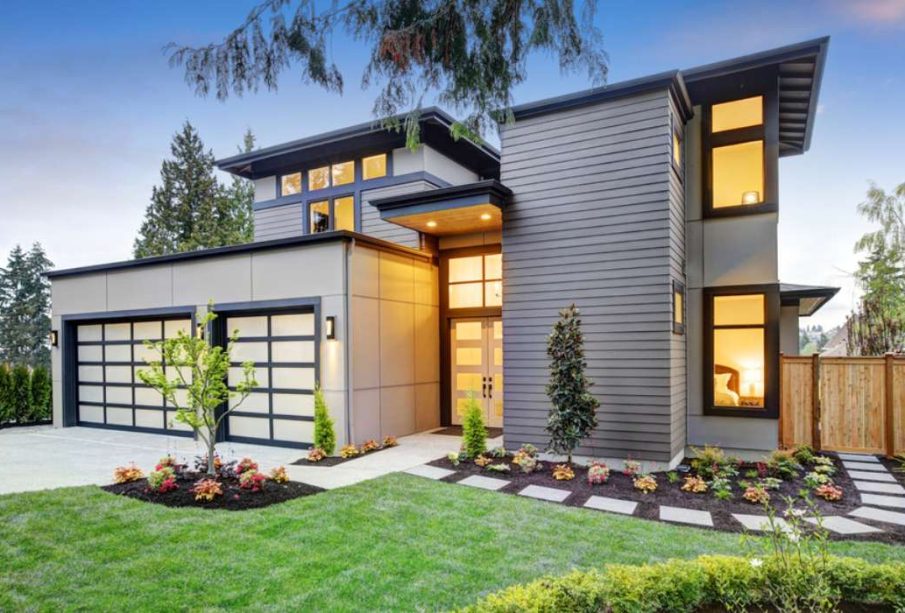
When we think about a building, whether residential or commercial, our minds naturally turn to its exterior. The exterior of a structure is more than just a protective shell; it is the first impression it makes on the world, a reflection of its purpose, and a statement of its identity. Whether it is a historic mansion, a contemporary apartment building, or a humble suburban home, the exterior design plays a significant role in how we perceive a space, both from an aesthetic and functional perspective. The exterior is where form meets function, where beauty interacts with practicality, and where design choices speak volumes about the owner’s taste and priorities.
The Role of Exterior Design in Creating First Impressions
As humans, we are visual creatures, and the first impression we form of a building is almost always based on its exterior. When we approach a house or building, we immediately assess its condition, style, and how it fits within its environment. The exterior serves as the calling card for the structure, setting the tone for what lies beyond the front door. A well-designed exterior conveys an air of care and attention to detail, while a neglected one can suggest the opposite.
One of the primary goals of exterior design is to create a lasting first impression. From the materials used to the architectural style, each decision contributes to the story of the building. For example, a home adorned with intricate brickwork, charming shutters, and a welcoming front porch exudes a sense of tradition and warmth, inviting visitors to step inside. On the other hand, a sleek, modernist façade with clean lines and minimalistic features projects sophistication and cutting-edge design. Whether traditional or modern, the exterior should complement the interior, creating a cohesive narrative between the two.
Beyond aesthetics, the exterior of a building must also serve practical purposes, such as providing shelter, protection from the elements, and enhancing energy efficiency. These functional aspects are often intertwined with the design choices that define a building’s exterior character.
The Materials that Shape a Building’s Exterior
When designing the exterior of a building, materials are of paramount importance. The choice of materials not only affects the look and feel of the structure but also determines its durability and longevity. Whether natural or synthetic, each material brings its own qualities to the table, influencing everything from insulation to maintenance requirements.
Wood, for instance, is a timeless material that evokes warmth and rustic charm. It can be used in a variety of ways, from cedar shingles to wooden beams, creating a connection to nature. However, wood requires regular maintenance to prevent rot and degradation, making it more suitable for certain climates and building types than others. Brick, on the other hand, is a classic material known for its sturdiness and permanence. It offers excellent insulation and, with proper care, can last for generations. Its earthy tones and textures bring a sense of grounding and stability to a building’s exterior.
Stone, perhaps the most enduring of all materials, offers unparalleled strength and timeless beauty. Whether used for foundations, cladding, or decorative accents, stone adds a sense of grandeur and history to a building. However, it can be costly and labor-intensive to work with, making it less accessible for certain budgets. More contemporary materials, such as glass and steel, have become increasingly popular in modern architecture. Glass facades, in particular, create a sense of openness and transparency, allowing natural light to flood into the interior while providing sweeping views of the outside world.
The selection of materials also extends to finishes and coatings. A fresh coat of paint can transform the appearance of a building’s exterior, offering an opportunity to enhance color schemes or refresh the surface. Similarly, the choice of roofing material, from classic shingles to sleek metal panels, can significantly impact both the functionality and the overall style of a building. The right materials, when thoughtfully chosen, contribute to the aesthetic harmony and practicality of the exterior.
The Impact of Architectural Style on the Exterior
The architectural style of a building is a defining factor that shapes its exterior appearance. Architectural styles can vary widely, with each offering its own set of characteristics, influences, and traditions. Whether adhering to a specific historical period or embracing contemporary design trends, the architectural style dictates the proportions, materials, and overall form of a structure.
For instance, Colonial-style homes typically feature symmetrical facades, gable roofs, and brick or wood exteriors, reflecting the classical European influences of the early American settlers. In contrast, Victorian-style homes are known for their intricate detailing, including ornate woodwork, turrets, and bold color schemes, creating a sense of grandeur and complexity. These designs reflect the period’s cultural values and technological advancements, offering insight into the social and economic conditions of the time.
Modern architectural styles, such as Mid-Century Modern and Contemporary, prioritize simplicity and functionality, focusing on clean lines, open spaces, and the integration of natural materials. In these designs, the exterior often blurs the boundaries between indoors and outdoors, with large windows and open-plan layouts creating a seamless connection with the surrounding environment. Whether through minimalist design or the use of cutting-edge technology, modern exteriors reflect the current cultural climate, which places emphasis on sustainability, innovation, and a harmonious relationship with nature.
The Role of Landscaping and Outdoor Spaces
While the building’s exterior itself plays a significant role in defining its overall look, the surrounding landscape and outdoor spaces further enhance the structure’s presence. Landscaping provides a natural complement to the architectural design, offering the opportunity to soften hard lines and introduce elements of nature that contribute to the visual appeal. Whether it’s the placement of trees, shrubs, or flowers, the landscaping around a building creates a sense of unity and balance with the environment.
Patios, decks, and outdoor living spaces are becoming increasingly important in modern home design. These areas extend the usable space of a home into the outdoors, allowing for social gatherings, relaxation, and recreation. Thoughtful landscaping—such as the inclusion of pathways, garden beds, or water features—adds layers of texture and interest, inviting visitors to explore the surroundings while simultaneously enhancing the aesthetic value of the building.
Lighting, too, plays an essential role in the exterior design, particularly when it comes to highlighting architectural features or creating ambiance in the evening. Well-placed lighting can emphasize a building’s unique elements, such as columns, windows, or entryways, while also ensuring safety and visibility during nighttime hours. The choice of lighting fixtures and their placement should complement the exterior design, whether it’s subtle and understated or bold and dramatic.
The Future of Exterior Design
As we look toward the future of exterior design, several trends are shaping the way we approach building façades. Sustainability is at the forefront of design considerations, with an increasing number of architects and homeowners opting for energy-efficient materials, solar panels, and green roofs. These elements not only reduce a building’s environmental footprint but also contribute to its long-term value.
Another trend is the rise of biophilic design, which integrates natural elements into the built environment. This might include green walls, living facades, or the use of natural materials that blend seamlessly with the surrounding landscape. Such design choices aim to foster a deeper connection between the built environment and nature, enhancing both the aesthetic and psychological well-being of the occupants.
In addition to sustainability, technological innovations continue to influence exterior design. Smart home technology, including integrated lighting, security systems, and climate control, is becoming more common in residential and commercial buildings. These advancements are not only about convenience but also about improving the energy efficiency and overall functionality of a building.
Conclusion
The exterior of a building is far more than just a surface that protects the structure; it is an essential component that defines the building’s character, functionality, and relationship with its surroundings. From the materials chosen to the architectural style, every detail of the exterior contributes to the overall aesthetic and experience of the space. As design trends evolve, there is a growing emphasis on sustainability, functionality, and a harmonious connection with the natural environment. The exterior, ultimately, is where beauty and practicality converge—creating an impression that lingers long after one leaves the building’s threshold.


