
The Bedroom: A Sanctuary of Rest, Comfort, and Expression
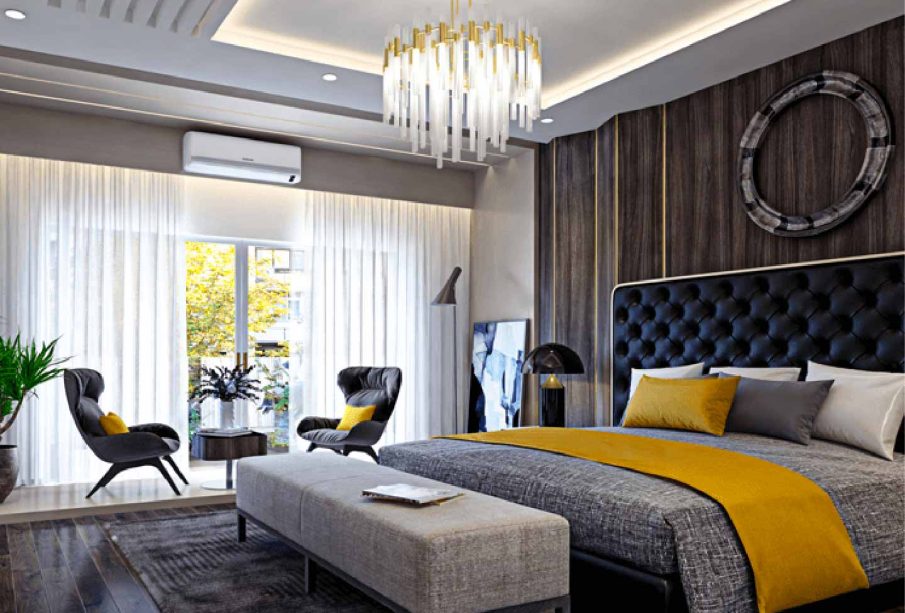
The bedroom, often regarded as a personal sanctuary, serves as the cornerstone of our daily routines and overall well-being. It is a space that extends beyond mere function, embodying a fusion of comfort, style, and personal expression. Whether designed for rest, relaxation, or creative endeavors, the bedroom is where we retreat from the world and recharge. Its design and atmosphere have a profound impact on our mental, emotional, and physical health. Thus, the bedroom is not just a place to sleep; it is a reflection of one’s lifestyle, personality, and sense of tranquility.
The Bedroom as a Personal Haven
In the modern world, where the boundaries between work and home life often blur, the bedroom becomes a place of refuge—a retreat from the stresses and demands of the outside world. It is no surprise, then, that interior design trends increasingly emphasize the creation of cozy, serene environments that nurture relaxation. The bedroom’s primary purpose remains unchanged: to provide a restful space for sleep. However, it has evolved into a more multifaceted room, serving as a private haven where individuals can unwind, reflect, or engage in activities that bring joy, such as reading, meditating, or spending quality time with a loved one.
The aesthetic choices within the bedroom contribute significantly to the overall ambiance. Soft lighting, calming colors, and thoughtful décor elements play a crucial role in creating a space that fosters relaxation. The use of natural elements—such as plants, wood finishes, and textiles like linen and cotton—invites a sense of calm and serenity. These elements not only enhance the room’s visual appeal but also contribute to an environment conducive to sleep. It is well-documented that our surroundings have a profound effect on our ability to relax and unwind, influencing the quality of our rest and, consequently, our mental and physical health.
The Importance of Sleep
Sleep, undoubtedly, is one of the most vital aspects of human health. In a world where people often sacrifice rest in favor of productivity or social engagements, the value of sleep cannot be overstated. The bedroom, as the epicenter of our slumber, must support the quality of our sleep in every way possible. From the comfort of the mattress to the arrangement of furniture and the control of ambient noise, every detail plays a part in creating a space that encourages deep, restorative sleep.
Recent studies highlight the importance of a good night’s sleep in fostering cognitive function, emotional regulation, and physical health. Poor sleep quality has been linked to a host of negative outcomes, including weakened immunity, impaired concentration, and heightened levels of stress. Therefore, crafting an environment that promotes rest is not a luxury but a necessity for maintaining overall well-being. This includes investing in a high-quality mattress, incorporating blackout curtains, and minimizing disruptions such as electronic devices and excessive noise.
In addition to physical comfort, the psychological impact of a thoughtfully designed bedroom cannot be ignored. Colors have been shown to influence mood, with soft blues, greens, and neutrals promoting relaxation, while vibrant hues like red and yellow can evoke energy and alertness. The strategic use of color, texture, and arrangement can thus create an atmosphere that encourages restful sleep, mindfulness, and rejuvenation.
Style Meets Functionality
While the bedroom’s primary role is to serve as a place of rest, it also functions as a reflection of personal style. The choice of furnishings, artwork, and accessories provides an opportunity for individuals to express their personality and create a space that resonates with their tastes and values. Whether minimalistic and modern, bohemian and eclectic, or traditional and cozy, the bedroom should evoke a sense of harmony and balance that aligns with one’s preferences.
One of the key challenges in bedroom design lies in striking a balance between style and functionality. Bedrooms, by nature, are often smaller spaces, which means that every element must be carefully considered. Storage solutions, for example, are essential in maintaining an uncluttered and serene environment. Bed frames with built-in drawers, floating shelves, and wardrobes with adequate storage capacity ensure that the room remains tidy while offering a place to store personal belongings. The use of multi-functional furniture, such as a desk that doubles as a vanity or a nightstand with charging capabilities, allows the space to serve multiple purposes without sacrificing its aesthetic appeal.
The bed itself, as the focal point of the room, often dictates the overall design. The choice of bedding—whether luxurious silk, soft cotton, or cozy flannel—immediately influences the feel of the room. Layering pillows, throws, and blankets not only adds texture and comfort but also creates a visually inviting atmosphere. A well-made bed, with crisp sheets and a carefully arranged duvet, conveys a sense of order and calm, setting the tone for relaxation.
Bedroom Lighting: A Key Element of Ambiance
Lighting, often overlooked in bedroom design, is perhaps one of the most important factors in creating a soothing and functional environment. Natural light is ideal, but the use of artificial lighting can be just as impactful when properly designed. The key is to layer different light sources to create a balance between functionality and mood. Overhead lighting, such as a chandelier or pendant light, serves as the primary source of illumination, while task lighting—such as reading lamps or wall sconces—provides focused light for specific activities. Soft, ambient lighting from floor or table lamps can enhance the room’s atmosphere, creating a tranquil environment that promotes relaxation.
Additionally, dimmable lights or lights with adjustable color temperatures can further contribute to a sense of peace. For instance, warmer, softer lighting in the evening helps signal to the brain that it is time to wind down, while cooler, brighter lights in the morning can gently signal the start of the day.
The Bedroom as an Expression of Self
At its core, the bedroom is a deeply personal space. It is where we sleep, dream, and, at times, escape from the demands of the world. As such, it should reflect the values, tastes, and aspirations of the individual who inhabits it. Whether it’s a minimalist design focused on clean lines and simplicity or a more ornate and eclectic mix of textures and colors, the bedroom is a space where personality can shine.
From the choice of artwork on the walls to the design of the bed frame and the color of the linens, every decision in the bedroom plays a role in shaping the emotional tone of the room. It is a place to recharge, restore, and feel a sense of belonging. When thoughtfully curated, the bedroom becomes not just a room for sleep, but a sanctuary of peace and self-expression, where the spirit can be nurtured and the body can rest.
In conclusion, the bedroom is far more than a space for sleep. It is a refuge, a retreat, and a canvas for personal expression. Its design, ambiance, and functionality all contribute to creating an environment that nurtures the mind, body, and soul. As the world continues to evolve, so too will our understanding of the importance of the bedroom as a vital space for well-being. Ultimately, when crafted with care and intention, the bedroom can be a true sanctuary—where rest, relaxation, and personal reflection come together in harmony.


