Home Habits That Enhance Reformer Pilates Results for Singapore Lifestyles
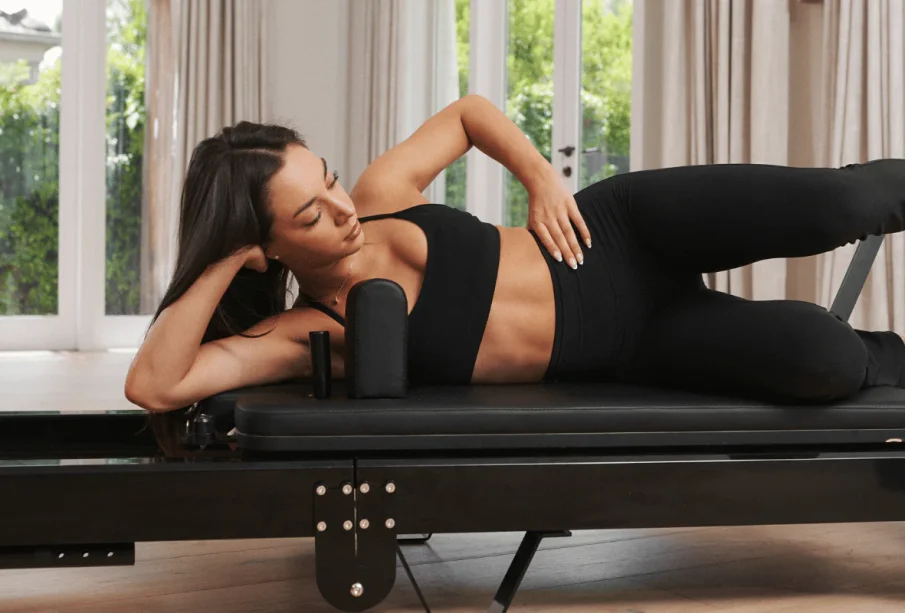
Reformer Pilates sessions deliver structured, high-quality movement, but what happens outside the studio often determines how effective those sessions become over time. Many adults in Singapore attend classes consistently yet feel their progress plateau. In most cases, this is not due to effort during class but rather daily home habits that either support or undermine movement quality.
Practising reformer pilates Singapore creates awareness, strength, and control, but the body continues adapting long after the session ends. Home routines, posture choices, and recovery behaviours all influence how well the body integrates what it learns on the reformer.
Why Home Habits Matter More Than People Expect
The human body responds to what it does most often. A one-hour reformer Pilates session can be highly effective, but it is outweighed by the remaining hours spent sitting, standing, sleeping, and moving at home.
Daily habits shape:
-
Muscle length and tone
-
Joint positioning and comfort
-
Breathing patterns
-
Nervous system regulation
-
Recovery quality between sessions
When home habits align with Pilates principles, progress accelerates. When they conflict, the body constantly compensates.
Sitting Habits That Affect Reformer Pilates Progress
Sitting is unavoidable for many Singapore residents, especially those working from home or in hybrid roles. How you sit matters more than how long you sit.
Helpful sitting habits include:
-
Sitting with feet grounded rather than tucked under chairs
-
Avoiding prolonged slouched positions
-
Changing posture regularly instead of holding one position
-
Using chairs that allow hips to sit slightly higher than knees
Poor sitting habits often shorten hip flexors and restrict spinal mobility, making reformer exercises feel harder than they should.
Creating Movement Breaks at Home
Reformer Pilates promotes controlled, multi-directional movement. At home, movement often becomes repetitive or minimal.
Simple ways to introduce movement variety include:
-
Standing up every 30 to 45 minutes
-
Gentle spinal rotations during breaks
-
Walking briefly after meals
-
Light stretching between tasks
These small habits help maintain joint range and tissue hydration between studio sessions.
Sleep Position and Its Impact on Movement Quality
Sleep is when the body recovers and integrates movement patterns. Poor sleep posture can reinforce the same imbalances reformer Pilates works to correct.
Supportive sleep habits include:
-
Using pillows that support neutral neck alignment
-
Avoiding stomach sleeping when possible
-
Ensuring mattress support suits body weight and sleeping style
-
Maintaining consistent sleep schedules
Better sleep positioning reduces morning stiffness and improves readiness for movement.
Breathing Awareness Outside the Studio
Reformer Pilates integrates breath with movement. At home, breathing often becomes shallow due to stress, screens, or prolonged sitting.
Improving breathing habits can:
-
Reduce unnecessary muscle tension
-
Improve focus and energy levels
-
Support better posture without effort
-
Enhance recovery after sessions
Simple practices such as nasal breathing during rest or gentle breath awareness before sleep can reinforce studio training.
Screen Use and Postural Awareness
Extended screen use is a major contributor to postural strain. Forward head positioning and rounded shoulders undo much of the upper body balance developed on the reformer.
Practical screen-related habits include:
-
Raising screens to eye level
-
Keeping devices at a comfortable distance
-
Taking brief posture resets during use
-
Avoiding prolonged phone use with head tilted down
These adjustments reduce neck and shoulder tension and support spinal alignment.
Floor Time and Natural Movement
Many adults rarely sit or move on the floor at home. Floor-based movement encourages joint mobility and body awareness similar to Pilates principles.
Incorporating floor time can include:
-
Sitting on the floor briefly while stretching
-
Gentle spinal mobility exercises
-
Simple hip opening movements
-
Relaxed breathing while lying down
Floor time helps maintain movement options beyond chairs and sofas.
Recovery Habits Between Sessions
Reformer Pilates challenges muscles through sustained control. Recovery habits determine how well the body adapts.
Supportive recovery habits include:
-
Light movement rather than complete inactivity
-
Adequate hydration throughout the day
-
Gentle stretching without forcing range
-
Respecting rest days when needed
Overtraining is less common in reformer Pilates, but under-recovery can still limit progress.
Managing Stress at Home
Stress affects muscle tone, breathing patterns, and movement efficiency. A stressed nervous system often holds unnecessary tension, especially in the neck, jaw, and hips.
At-home stress management strategies include:
-
Creating short moments of stillness
-
Reducing multitasking where possible
-
Establishing consistent daily routines
-
Allowing time to wind down before sleep
These habits support the calm, focused state cultivated during reformer Pilates sessions.
Home Environment and Movement-Friendly Spaces
The physical environment influences behaviour. A cluttered or restrictive space discourages movement, while an open, inviting area encourages it.
Movement-friendly home setups include:
-
Clear floor space for gentle movement
-
Comfortable lighting that reduces eye strain
-
Minimal obstacles that restrict posture
-
Calm surroundings that support focus
Small environmental changes can have a large impact on daily movement quality.
Integrating Pilates Principles Into Daily Life
Reformer Pilates teaches principles that extend beyond the studio, including alignment, control, and efficiency. Applying these principles at home reinforces progress.
Examples include:
-
Standing with balanced weight distribution
-
Moving deliberately rather than rushing
-
Engaging the core gently during daily tasks
-
Maintaining awareness of breath during stress
Studios like Yoga Edition emphasise this integration, helping practitioners carry movement intelligence into everyday life.
Consistency Over Perfection
Home habits do not need to be perfect. Consistency matters more than intensity. Small, repeated actions create lasting change.
By aligning home routines with reformer Pilates principles, practitioners often experience:
-
Faster progress during sessions
-
Reduced stiffness between classes
-
Improved posture without effort
-
Greater enjoyment of movement
These outcomes support sustainable practice rather than short-term results.
Frequently Asked Questions
Q: Do home habits really affect reformer Pilates results that much?
A: Yes. The body adapts to what it does most often. Supportive home habits reinforce movement patterns learned during sessions and accelerate progress.
Q: How much daily movement is needed outside reformer Pilates classes?
A: Even short, frequent movement breaks are effective. Consistency matters more than duration.
Q: Can poor sleep reduce the benefits of reformer Pilates?
A: Yes. Sleep quality and posture influence recovery, muscle tone, and readiness for movement.
Q: Is it necessary to practise Pilates exercises at home?
A: No. The focus is on supportive habits rather than replicating studio exercises. Simple movement awareness is sufficient.
Q: How long does it take to notice changes from improved home habits?
A: Many people notice reduced stiffness and better movement comfort within a few weeks of consistent habit changes.