Home Gym Setup in Singapore: What Personal Trainers Recommend for HDB and Condos
The idea of a home gym in Singapore comes with a specific set of constraints that make it fundamentally different from home training setups in most other countries. Space is the most obvious limitation. The median HDB flat in Singapore ranges from 90 to 110 square metres of total living area, shared by the full household. Even a dedicated room for exercise, where one exists, typically measures between eight and twelve square metres — less floor area than a standard commercial gym changing room. Condominiums offer similar space profiles, with the added complication of stricter noise regulations enforced by management committees.
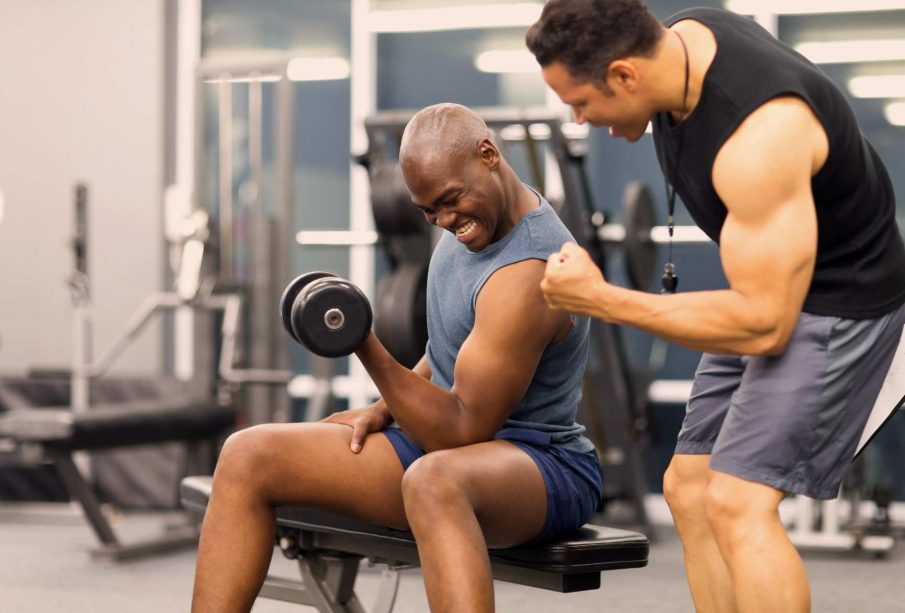
Despite these constraints, a well-conceived home training setup in Singapore is entirely viable and genuinely useful — not as a replacement for professional gym-based training, but as a powerful complement to it. Understanding what to prioritise, what to avoid, and how to integrate home training with structured personal training sessions is exactly the kind of programme design knowledge that an experienced fitness trainer Singapore brings to the conversation from day one.
Understanding the Constraints Before Spending a Single Dollar
Before purchasing any equipment, a clear-eyed assessment of your physical space and its limitations is essential. Four dimensions define what is possible in a Singapore home training environment.
Floor Area
The minimum floor area required for effective resistance training using free weights is approximately three by two metres of clear space — six square metres where you can move without risk of hitting furniture, walls, or other occupants. In many Singapore homes, this is achievable by temporarily moving a coffee table or bedroom furniture, but it requires a setup and teardown routine before and after each session that must be factored into the practical reality of whether you will actually train consistently at home.
Ceiling Height
This is the most frequently overlooked constraint in Singapore home gym planning and the one that most directly affects exercise selection. Standard HDB flat ceiling heights are typically 2.6 metres. This is insufficient clearance for exercises performed overhead with extended arms and a barbell — specifically overhead press, snatch, and clean variations. For dumbbell overhead work and pull-up bar movements where the user is not jumping to full arm extension, 2.6 metres is generally workable. Before purchasing any equipment intended for overhead use, measure your ceiling height and account for the height added by flooring mats.
Flooring
HDB flooring is typically ceramic tile, which is unsuitable for dropping weights, generates significant impact noise that transfers through the building structure, and provides inadequate grip and cushioning for training movements. Rubber gym flooring tiles, interlocking foam tiles (of sufficient density), or purpose-made gym mats are essential investments before any equipment arrives. Beyond protecting your floor, proper gym matting reduces joint impact during jumping and landing movements, improves stability during lifting, and absorbs the noise of dropped dumbbells that would otherwise disturb neighbours.
Noise and Neighbour Considerations
HDB and condominium living in Singapore means your training noise is someone else’s ceiling, wall, or floor noise. Impact sounds from jumping, dropped weights, and heavily loaded barbell movements transmit through concrete structures with remarkable efficiency. For most Singapore home training contexts, eliminating barbell Olympic lifting, box jumps, burpees performed without a soft landing, and any activity involving significant vertical impact is advisable for both neighbour relations and HDB bylaw compliance. This constraint shapes equipment selection significantly toward options that train effectively without generating impact.
The Minimum Viable Home Gym for Singapore
Given the constraints above, the following equipment configuration delivers the broadest range of effective training options within Singapore’s space, ceiling height, and noise limitations.
Adjustable Dumbbells
A set of adjustable dumbbells covering a range from approximately 5kg to 32.5kg per hand represents the single highest-value equipment investment for a Singapore home gym. Modern selector-pin style adjustable dumbbells (such as those from well-known fitness equipment brands available in Singapore) occupy the footprint of two standard dumbbells when stored, require no more than two square metres of floor space during use, and allow the full spectrum of resistance training movements from upper body isolation exercises to compound movements including goblet squats, Romanian deadlifts, and dumbbell bench press.
The range ceiling of 32.5kg per hand is sufficient for most intermediate-level trainees across the vast majority of exercises performed with dumbbells. More advanced trainees requiring heavier loading for compound lower body movements will reach the limitations of dumbbell-only training and will need to supplement with gym-based sessions for lower body progressive overload.
Pull-Up Bar (Door Frame Mounted)
A quality door frame pull-up bar is one of the most space-efficient, cost-effective, and movement-quality-enhancing additions to any Singapore home gym. It enables pull-ups, chin-ups, hanging exercises for shoulder decompression and grip strength, and can anchor resistance bands for multiple pulling exercises.
The key consideration in an HDB context is bar type and installation method. Tension-mounted bars that sit in the door frame without drilling are the most common choice and leave no permanent mark. They are also the safest option from an HDB bylaw perspective, as drilling into load-bearing structural elements requires approval. Confirm that the bar’s weight capacity specification clearly exceeds your bodyweight before purchase.
Resistance Bands
A set of flat resistance bands in multiple resistance levels occupies negligible storage space and adds significant exercise variety to a home training environment. Used with the pull-up bar for band-assisted pull-up progressions, for mobility and corrective exercise work, for upper body pulling movements, and for lower body activation exercises, resistance bands address training needs that dumbbells alone cannot cover. They are also exceptionally useful for warm-up protocols and the corrective exercise work that a personal trainer will typically prescribe as part of a comprehensive programme.
Adjustable Bench
An adjustable training bench with incline positions from flat to 80 degrees substantially expands the exercise variety available with dumbbells. Incline, flat, and decline pressing angles, seated dumbbell exercises, step-up variations using the bench as a platform, and split squat support all become available with a bench that would otherwise require a chair or the floor as a substitute. Foldable training benches designed for residential storage are available in Singapore and store vertically against a wall to minimise footprint when not in use.
Exercise Selection for Singapore Home Environments
Given the ceiling height, floor area, and noise constraints discussed, the following movement categories are well-suited to Singapore home training contexts and form the basis of an effective home programme.
Upper body pushing movements including dumbbell bench press at multiple angles, shoulder press, and lateral raises are fully achievable with adjustable dumbbells and bench. Upper body pulling movements including pull-up variations, dumbbell rows, and band pull-aparts cover the pulling stimulus effectively. Lower body movements including goblet squats, dumbbell Romanian deadlifts, Bulgarian split squats, hip thrusts using the bench, and reverse lunges are effective and relatively low-impact. Core and stability work including plank variations, dead bugs, bird dogs, and anti-rotation exercises require no equipment and are ideally suited to home settings.
High-impact movements including box jumps, burpees, jumping lunges, and anything involving significant vertical force generation should be avoided in most Singapore home training contexts for the noise and structural impact reasons discussed above.
How Home Training Works Best Alongside Personal Training
This is the most important structural point for anyone considering a Singapore home gym setup. A home training environment is most effective as a complement to professional personal training, not a replacement for it.
The limitations of home training in Singapore — ceiling height restrictions, weight ceiling on adjustable dumbbells, absence of cable and machine variety, inability to perform certain movement patterns safely without supervision — mean that certain training stimuli are simply not replicable at home. Progressive overload for lower body compound movements beyond approximately 40kg total load, technically complex exercises requiring spotting, and the accountability dimension that drives training intensity all require a proper training facility and a qualified coach.
The effective hybrid model for Singapore gym-goers is two to three supervised sessions per week at a well-equipped personal training gym, complemented by one to two shorter, targeted home sessions using equipment that targets the programme elements assigned by the trainer. Mobility work, corrective exercises, accessory movements, and active recovery sessions are particularly well-suited to the home environment, preserving the gym sessions for the heavy compound work that requires proper equipment and professional supervision.
A trainer who designs a coherent hybrid programme that bridges home and gym training creates a weekly training structure that is more consistent, more convenient, and ultimately more effective than either environment could support independently.
TFX Singapore trainers regularly incorporate home training guidance into client programmes, designing specifically targeted home session protocols that complement in-gym work and keep training consistent on days when getting to the gym is not feasible.
Budget Guide for a Singapore Home Gym
Understanding what to spend and where to save is important given Singapore’s property premium on every square metre of living space.
The adjustable dumbbell set is the most important investment and warrants quality spending. Budget for a reputable selector-pin adjustable set rather than the cheapest available option, as the locking mechanism reliability and durability of cheaper sets compromise safety and longevity significantly. Expect to spend between $300 and $600 for a quality adjustable dumbbell set covering the recommended weight range.
Rubber flooring tiles are the second essential investment and are not an area to economise. Poor-quality foam tiles compress under load and provide inadequate noise insulation. Interlocking rubber tiles of at least 1.5cm thickness are the appropriate specification for a Singapore home gym floor. Budget approximately $100 to $200 for sufficient coverage of your training area.
A pull-up bar and resistance band set are low-cost items that deliver high training value. Combined, expect to spend between $80 and $150 for quality options that will last several years. An adjustable bench from a reputable supplier ranges from $150 to $350 for a foldable residential model of sufficient quality and weight capacity.
Total investment for a functional Singapore home gym configuration: approximately $700 to $1,100, requiring less than four square metres of floor storage when equipment is properly stowed.
FAQ
Q: Is a wall-mounted pull-up bar safe to install in an HDB flat?
A: Wall-mounted pull-up bars that require drilling into structural walls are technically subject to HDB approval requirements for modifications to structural elements. For most residents, the practical and compliant solution is a door frame tension bar that requires no drilling and leaves no permanent marks. These bars support the bodyweight loads required for pull-up training when selected with an appropriate weight rating. If you specifically want a ceiling or wall-mounted bar, consult HDB guidelines and seek approval before installation rather than drilling without clearance.
Q: Can a personal trainer design a programme specifically for the equipment I have at home?
A: Yes, and this is one of the most practical applications of personal training for Singapore residents. A trainer can assess your available equipment, your training space dimensions, your fitness level and goals, and design a programme that maximises what your home environment can deliver while identifying the training gaps that require supplement with gym sessions. This hybrid programme approach is increasingly common among Singapore clients who want to train four to five times weekly without the cost and time commitment of that frequency at a commercial gym.
Q: How do I train effectively at home on days I cannot visit the gym?
A: Home sessions are most effective when designed specifically to complement rather than replicate your gym sessions. On home training days, prioritise the work that your home environment handles best: mobility and corrective exercise protocols prescribed by your trainer, accessory upper body movements with dumbbells, core stability work, and active recovery sessions involving stretching and foam rolling. Avoid trying to replicate the heavy compound lower body work from your gym sessions with the lighter loads available at home — these sessions serve a different, complementary function in your programme.
Q: What is the minimum space I actually need for a functional home workout area?
A: For the equipment configuration recommended in this article — adjustable dumbbells, pull-up bar, resistance bands, and a foldable bench — a clear floor area of approximately 2.5 metres by 2 metres (five square metres) is sufficient for most exercises. This is achievable in most Singapore bedrooms or living rooms by temporarily relocating furniture before training. The door frame pull-up bar requires a doorway with at least 65cm width, which is standard in all HDB and most condominium configurations. The foldable bench stores vertically against a wall when not in use, occupying approximately 0.3 square metres of floor space.
Q: What common home training mistakes do personal trainers in Singapore see most often?
A: The most frequent mistake is purchasing equipment that looks impressive but does not match the actual space and noise constraints of a Singapore home, resulting in equipment that is rarely used because it is impractical to set up or too disruptive to use. The second most common mistake is treating home training as a completely separate activity from professional training rather than integrating it as a designed component of a coherent programme. Without programme design that connects home and gym sessions, home training tends to become unfocused and loses its contribution to overall progress. Working with a trainer who designs both dimensions of your training from the outset prevents both of these costly errors.