How to Keep Rodents Out of Your Attic with Smart Pest Control
The attic is one of the most vulnerable zones in any home when it comes to wildlife and rodent invasions. Because it is rarely visited by residents, well-insulated, and completely removed from the daily hustle of a household, it provides an ideal sanctuary for mice, rats, and squirrels. Unfortunately, what starts as a couple of quiet nocturnal guests can quickly escalate into a widespread infestation that threatens your health, home safety, and property value.
The Hidden Dangers of Attic Rodents
Before looking into prevention and eradication strategies, it is essential to understand exactly what is at stake. Rodents do not just occupy space; they actively destroy their surroundings.
Destruction of Home Infrastructure
Rodents possess incisors that grow continuously throughout their lives. To prevent these teeth from overgrowing, they must constantly gnaw on hard materials. In an attic, this means your home structure becomes their personal teething toy. They will chew through wooden support beams, sheetrock, PVC water pipes, and HVAC ductwork. Even worse, they frequently gnaw on electrical wiring. Exposed live wires hidden within attic insulation are a primary cause of mysterious residential fires across the United States.
Contamination and Health Hazards
An attic infestation quickly leads to a buildup of urine, droppings, and pheromones. These materials ruin your insulation, causing it to lose its thermal efficiency and driving up your monthly heating and cooling bills. Furthermore, disturbed rodent waste can send microscopic airborne pathogens into your home heating and cooling system, contaminating the air you breathe. Diseases like Hantavirus, leptospirosis, and salmonellosis can be transmitted through contact with or inhalation of dust containing dried rodent excretions.
Introduction of Secondary Pests
Mice and rats rarely travel alone. They carry external parasites within their fur, including fleas, ticks, mites, and lice. Once rodents establish a nesting site in your attic, these secondary pests can multiply and migrate downward into your main living quarters, creating a completely new set of pest control problems for your family and pets.
The Pillars of Smart Pest Control
Smart pest control differs from old-school methods by shifting the focus from temporary fixes to long-term prevention and real-time monitoring. By utilizing data, digital connectivity, and robust physical barriers, homeowners can establish an unfriendly environment for invasive wildlife.
Real-Time Electronic Monitoring
One of the biggest challenges with attic infestations is that they often go unnoticed for weeks or months. Smart pest control removes the guesswork by utilizing wireless, internet-connected sensors and traps. These devices are placed in strategic locations throughout the attic and send instant notifications to your smartphone or a professional monitoring service the exact moment pest activity is detected. This allows for immediate intervention, preventing a single wandering mouse from turning into a multigenerational colony.
Precision Data Tracking
Digital pest control systems track patterns over time. If a specific corner of your attic consistently triggers sensor alerts, it tells you exactly where the core vulnerability lies. This data allows you to focus your inspection efforts on the exterior wall or roofline immediately adjacent to that high-activity zone, saving you time and money.
Comprehensive Integrated Pest Management
Smart pest control is built on the principles of Integrated Pest Management. This framework looks at the entire ecosystem of your home. Instead of simply applying chemical baits that can lead to poisoned rodents dying and decaying inside inaccessible wall voids, it emphasizes altering the environment to make it completely unappealing to pests.
Step-by-Step Attic Exclusion and Protection Strategy
To keep rodents out of your attic permanently, you must implement a rigorous defense plan that focuses on sealing entry points, eliminating attractants, and maintaining a clean perimeter.
1. Perform a Comprehensive Exterior Audit
Rodents are exceptional climbers that can easily scale brick walls, vinyl siding, downspouts, and overhanging tree branches. A mouse can squeeze through a gap the size of a dime, while a rat needs an opening no larger than a quarter. Walk around your property and carefully examine your roofline, fascia boards, soffits, ridge vents, and gable vents. Look for gaps where different construction materials meet, or where utilities enter the home.
2. Seal Gaps with Rodent-Proof Materials
Standard expanding foam, caulking, and wood are not enough to stop determined rodents; they can chew right through them. Use high-quality exclusion materials to seal every single vulnerability you find during your audit.
-
Steel Wool and Copper Mesh: Stuff these tightly into small holes and crevices before sealing over them with a heavy-duty sealant. The sharp metal fibers cut into a rodent’s mouth if they attempt to chew through.
-
Hardware Cloth: Use quarter-inch galvanized hardware cloth to cover large openings like attic vents, chimney caps, and crawlspace openings. Ensure it is securely fastened with screws or heavy staples.
-
Sheet Metal Flashings: Install metal flashings along roof edges and corners where wood rot might make it easy for a rodent to chew a fresh hole.
3. Modify the Surrounding Landscape
Your yard can act as a bridge straight to your roof. Trim back all tree branches so they are at least six to eight feet away from your roofline to prevent rodents from jumping onto your shingles. Keep climbing vines and ivy off your exterior walls, as these provide a natural ladder for mice and rats. Additionally, store firewood piles, compost bins, and garbage cans far away from the foundation of your home to remove nearby hiding spots and food sources.
4. Optimize Attic Storage Practices
If you use your attic for storage, you might inadvertently be providing rodents with ideal nesting material. Avoid storing items in cardboard boxes, which are easily chewed through and used for bedding. Instead, pack your seasonal clothes, holiday decorations, and old documents into heavy-duty, airtight plastic tote bags with secure lids. Keep these containers organized and elevated off the floor on metal shelving units whenever possible to minimize hidden floor space.
When to Call a Certified Professional
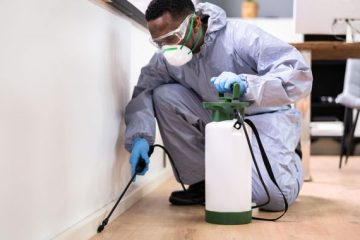
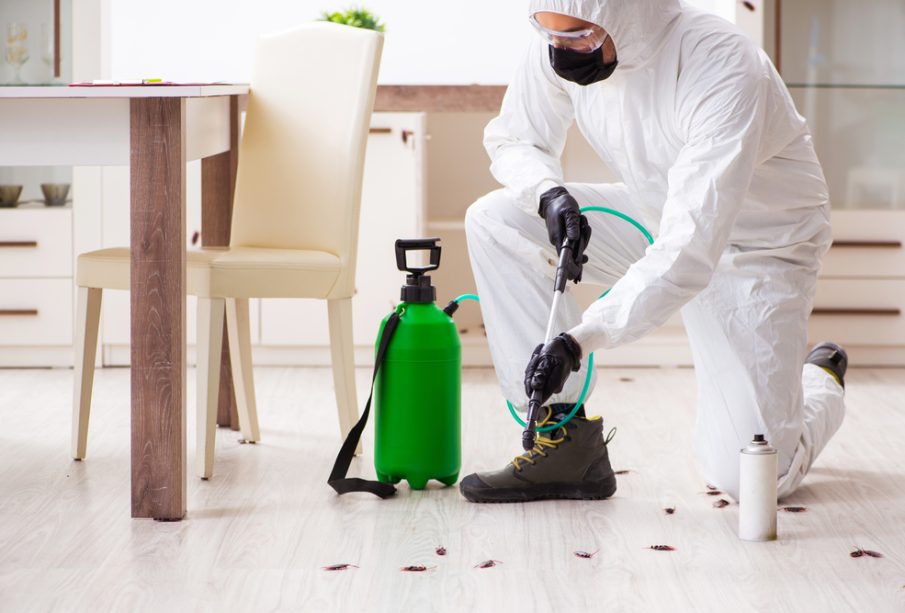
While many preventative steps can be tackled by a dedicated homeowner, dealing with an active, established attic infestation often requires professional expertise. A certified pest control professional has specialized safety equipment, including respirators and protective suits, to safely navigate contaminated attic spaces without tracking hazardous dust into your living room. They also have access to commercial-grade smart monitoring ecosystems and advanced thermal imaging cameras that can pinpoint hidden rodent nests tucked deep inside your walls or under thick layers of blown-in insulation.
Frequently Asked Questions
Can rodents climb up smooth plastic gutter downspouts?
Yes, many rodents can easily climb up the inside and outside of downspouts. Rats and mice have sharp claws that allow them to grip the minor textures on the metal or plastic, or they can simply squeeze their bodies against the interior walls of the pipe to shimmy their way up to your gutters and roofline. Installing downspout guards or mesh filters at the bottom and top can prevent this behavior.
Why do rodents prefer the attic over the basement or crawlspace?
While rodents will utilize basements and crawlspaces, attics are highly preferred because heat naturally rises. Attics generally stay much warmer than damp underground spaces during cold weather. Additionally, attics experience far less human and pet foot traffic, making them the quietest and safest place for a female rodent to nest and raise offspring undisturbed.
How can I tell the difference between a mouse infestation and a rat infestation in my attic?
The easiest way to tell them apart without seeing the animal is by examining their droppings. Mouse droppings are small, about the size of a grain of rice, with pointed ends. Rat droppings are significantly larger, roughly the size of an olive pit, and have rounded ends. Additionally, rats tend to make much louder scratching and thumping noises at night, whereas mice produce faint, rapid scurrying sounds.
Will ultrasonic pest repellers keep rodents out of an attic?
Independent scientific studies have consistently shown that ultrasonic pest repellers are generally ineffective for long-term rodent control. While the high-frequency sound waves may briefly startle or annoy a rodent when first introduced, the animals quickly become accustomed to the noise when they realize there is no physical danger. Furthermore, ultrasonic waves cannot penetrate through solid objects like attic walls, beams, or thick piles of boxes.
Does a clean attic guarantee that I will not get rats or mice?
A clean attic significantly reduces the chances of an infestation because it eliminates potential nesting materials like cardboard and fabric, but it does not completely guarantee immunity. Rodents often enter attics solely for shelter and warmth, especially during severe weather. They will gladly nest in a completely empty attic and simply travel downward into your kitchen or outdoors at night to forage for food.
How long can a rodent survive in an attic without food and water?
Mice and rats are highly resilient, but they cannot survive indefinitely without resources. A mouse can survive for a few days to a week without a direct water source, as they extract a substantial amount of moisture from the solid food they eat. Rats, however, require daily water consumption. Because of this, attic rodents will regularly leave the attic space at night to find food and water before returning to their warm nests before morning.
What is the safest way to clean up rodent droppings in an attic?
Never sweep or vacuum rodent droppings, as this kicks up dangerous dust into the air where it can be inhaled. Instead, wear a high-efficiency respirator and rubber gloves. Spray the droppings and surrounding area thoroughly with a commercial disinfectant or a mixture of bleach and water. Let it soak for several minutes to completely kill any pathogens, then carefully wipe up the waste using paper towels and seal everything in a plastic trash bag.