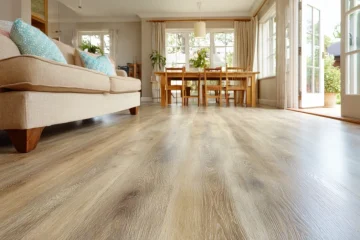
Flooring: The Foundation of Style and Function in Every Space
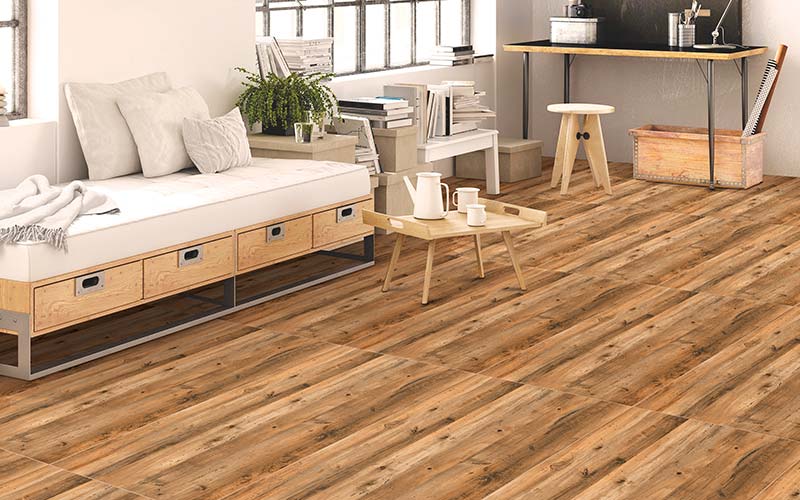
When we enter a room, our eyes naturally gravitate toward the walls, the furniture, and the décor that fill the space. Yet, one of the most essential elements of any room—the flooring—often goes unnoticed. Flooring is more than just a functional element that supports our movement; it is a key component of a room’s aesthetic and a reflection of the homeowner’s taste and lifestyle. From timeless hardwood to modern tiles, the choice of flooring has a significant impact on both the look and feel of a space. Whether you are building a new home, renovating an existing one, or simply looking to refresh a room, understanding the role of flooring is crucial to creating a harmonious, functional, and visually appealing environment.
The Functionality of Flooring: More Than Just a Surface
At its core, flooring serves a practical purpose. It provides a durable surface that can withstand daily wear and tear, offering stability and support for movement. Beyond its functional role, however, flooring also plays a pivotal part in a room’s acoustics, temperature regulation, and even its overall safety. The material and texture of a floor affect how sound travels, how heat is retained, and how easily a space can be maintained. These considerations are just as important as the aesthetic appeal of a floor, as they can significantly impact the comfort and livability of a space.
For instance, hardwood floors—long revered for their elegance—can add warmth and character to a room, but they may also be prone to scratches and wear over time. In contrast, tile flooring is highly durable and easy to clean, making it an ideal choice for high-traffic areas like kitchens and bathrooms. The choice of material, therefore, must align with both the intended use of the space and the desired aesthetic.
Flooring Materials: An Abundance of Choices
The variety of flooring materials available today allows for an incredible range of design possibilities, each with its own set of benefits and characteristics. Whether you’re seeking luxury, sustainability, or practicality, there is a flooring option to suit every need.
Hardwood Flooring: A timeless choice, hardwood flooring is often associated with warmth, elegance, and natural beauty. Available in a range of wood species—such as oak, maple, and walnut—hardwood floors offer a variety of finishes, from sleek and glossy to matte and distressed. Beyond its beauty, hardwood is highly durable when properly maintained, though it can be vulnerable to moisture and temperature fluctuations. For this reason, it’s often best suited for living rooms, bedrooms, and dining areas. Many homeowners opt for engineered hardwood, which offers the same aesthetic appeal as traditional hardwood but is less susceptible to changes in humidity and temperature.
Tile Flooring: Tile is one of the most versatile and durable flooring options available. Ceramic, porcelain, and natural stone tiles come in a vast array of styles, colors, and textures, allowing homeowners to create a customized look for any room. In addition to its durability, tile is resistant to moisture, making it an ideal option for bathrooms, kitchens, and entryways. Porcelain tiles, in particular, are highly water-resistant and can even mimic the appearance of wood, stone, or concrete. For those seeking a touch of luxury, natural stone tiles—such as marble or travertine—offer unique veining and textures, transforming a space into a work of art.
Vinyl Flooring: Vinyl flooring has made significant strides in recent years, offering a cost-effective and low-maintenance alternative to more traditional materials. Available in a range of styles, including luxury vinyl planks (LVP) and luxury vinyl tiles (LVT), vinyl can mimic the appearance of wood, stone, or even concrete at a fraction of the cost. Vinyl is incredibly durable, water-resistant, and easy to maintain, making it an ideal choice for high-traffic areas. Additionally, its softer texture compared to tile or hardwood can be more comfortable to walk on, making it an excellent option for kitchens and living areas.
Carpet Flooring: Though somewhat overshadowed by newer materials in recent years, carpet remains a popular choice for bedrooms, living rooms, and areas where comfort is paramount. The plush texture of carpet underfoot offers a sense of warmth and coziness, making it an inviting choice for spaces where relaxation is key. Additionally, carpet comes in a variety of colors, patterns, and textures, allowing homeowners to express their personal style. However, carpet is more susceptible to staining and wear than hard surfaces, and it can require more frequent cleaning and maintenance.
Concrete Flooring: Once considered purely utilitarian, concrete has emerged as a popular design choice in modern architecture and interior design. Concrete floors are known for their durability, versatility, and industrial aesthetic. Polished concrete floors, in particular, can create a sleek, minimalist look that complements contemporary spaces. Additionally, concrete is highly customizable; it can be stained, dyed, or textured to create a variety of finishes. While concrete is highly durable, it can be cold underfoot and may require sealing to prevent stains or moisture infiltration.
Bamboo and Cork Flooring: For environmentally conscious homeowners, bamboo and cork offer sustainable alternatives to traditional hardwood flooring. Bamboo is a rapidly renewable resource that can mimic the look of wood while offering exceptional durability. It’s an excellent choice for those seeking a green flooring option without sacrificing style. Cork, on the other hand, is derived from the bark of cork oak trees, which regenerate after harvesting, making it a highly sustainable material. Cork is soft underfoot, providing comfort and noise reduction, and is naturally resistant to mold and mildew, making it ideal for kitchens and bathrooms.
Choosing the Right Flooring for Your Space
Selecting the right flooring for a particular space involves more than just considering the aesthetic appeal. Practical considerations, such as the room’s function, traffic levels, and environmental factors, should all play a part in the decision-making process.
High-Traffic Areas: In spaces such as hallways, entryways, and kitchens, where foot traffic is heavy, durability and ease of maintenance are key. Materials like tile, vinyl, and laminate are excellent options for these high-traffic areas, as they resist wear and tear and can be easily cleaned. Additionally, tile and vinyl come in a variety of textures, allowing you to choose a slip-resistant surface for added safety.
Living Spaces: In living rooms and bedrooms, comfort and aesthetics often take precedence. Hardwood, carpet, and bamboo are popular choices for these areas, offering warmth and a sense of coziness. For homeowners looking to create a luxurious, upscale environment, marble or high-end hardwood flooring can elevate the space.
Bathrooms and Kitchens: These areas are exposed to moisture on a regular basis, so water-resistant flooring materials are a must. Tile and vinyl are top contenders for bathrooms and kitchens, as they are impervious to water and easy to clean. Additionally, materials like porcelain tiles and luxury vinyl offer a range of styles and finishes that can complement the room’s décor.
Sustainability: As environmental awareness grows, many homeowners are choosing eco-friendly flooring materials that contribute to a sustainable lifestyle. Bamboo, cork, and reclaimed wood are excellent choices for those seeking an environmentally responsible option. These materials are renewable, biodegradable, and often require less energy to produce than traditional flooring options.
The Impact of Flooring on Interior Design
Flooring plays a significant role in shaping the atmosphere of a space. It serves as the foundation upon which the rest of the room’s décor is built, influencing the color scheme, texture, and overall ambiance. A cohesive and well-chosen flooring design can tie a room together, creating a sense of flow and harmony. Conversely, an ill-suited flooring choice can disrupt the visual balance, making a space feel disjointed or uncomfortable.
When choosing flooring, it’s essential to consider how it interacts with the furniture, wall colors, and architectural features of the room. A neutral flooring option, such as a light oak hardwood or a soft beige tile, can create a versatile base that complements a wide range of interior design styles. On the other hand, bold flooring choices, such as patterned tile or deep-colored carpet, can become a focal point, adding personality and flair to the room.
Conclusion
Flooring is far more than just a functional aspect of a room; it is a key player in defining the overall aesthetic and comfort of a space. From the warmth of hardwood to the durability of tile, the material you choose for your flooring can significantly impact both the look and feel of your home. As technology and design trends continue to evolve, flooring options will only continue to expand, offering even more possibilities for customization and creativity. By considering both the practical and aesthetic aspects of flooring, homeowners can create spaces that are not only beautiful but also functional, comfortable, and long-lasting. Whether you’re building from the ground up or simply updating an existing space, the right flooring choice can make all the difference.