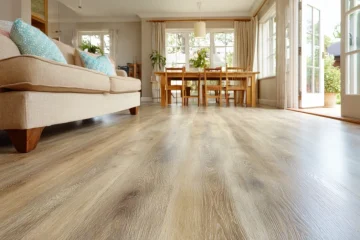
Hardwood vs. Laminate: Which Flooring is Right for You?
Choosing the right flooring is one of the most significant decisions a homeowner can make. The floor sets the aesthetic tone for your entire house, absorbs daily wear and tear, and directly impacts your property value. Among the various materials available, hardwood and laminate remain two of the most popular choices for living rooms, hallways, and bedrooms.
While they can look remarkably similar from a distance, they are fundamentally different materials with distinct installation processes, lifespans, price points, and care requirements. Understanding the core differences between hardwood and laminate ensures you select the option that best fits your lifestyle, budget, and design expectations.
Understanding the Materials: Composition and Construction
The fundamental difference between these two flooring options lies in what they are made of. One is a harvest of natural timber, while the other is an engineered synthetic product designed to mimic the appearance of wood.
Hardwood Flooring
Hardwood flooring comes in two primary forms: solid and engineered. Solid hardwood is exactly what it sounds like: a single, continuous piece of timber cut directly from a tree, such as oak, maple, walnut, or cherry. Engineered hardwood is still genuine wood, but it features a cross-ply construction. It consists of a relatively thin top veneer of real hardwood bonded over multiple layers of high-density fiberboard or plywood. This structural design grants engineered hardwood extra stability against temperature fluctuations and mild humidity changes.
Laminate Flooring
Laminate flooring contains no real wood on its surface. Instead, it is a multi-layer synthetic product fused together through a lamination process. The base is composed of a rigid core layer made from high-density fiberboard, which provides strength and impact resistance. Above this core is the photographic design layer, a high-resolution image that realistically replicates the grain patterns, knots, and textures of authentic wood planks. Finally, the top layer is a clear, hard wear layer made of melamine resin, which shields the design beneath from scratches, stains, and daily foot traffic.
Appearance, Texture, and Aesthetics
The visual impact of your flooring can change the mood of a room. While high-end laminate has made massive leaps in realism, there are still distinct differences in how these materials look and feel underfoot.
-
Hardwood Realism: Hardwood possesses a natural beauty that synthetic products struggle to duplicate perfectly. Because every tree is unique, no two planks of hardwood flooring will ever be identical. The grain variations, mineral streaks, and natural imperfections offer an organic warmth and authenticity. Hardwood also develops a gentle patina over time, shifting slightly in tone as it ages and interacts with sunlight.
-
Laminate Consistency: Modern laminate uses advanced printing and embossing techniques to create a convincing wood appearance. Many manufacturers use texture-matching technology to align the physical ridges of the plank with the visual grain of the photo print. However, because laminate relies on repeating patterns, you will eventually notice duplicate planks across a large floor space. It also lacks the depth and warmth of real wood, occasionally feeling slightly more rigid or plasticky underfoot.
Durability and Scratch Resistance
A major factor in choosing a floor is how well it holds up against kids, pets, heavy furniture, and dropped items. Each material handles physical stress differently.
Scratch and Dent Tolerance
Laminate is the clear winner when it comes to superficial durability. Its melamine wear layer is incredibly tough, making it highly resistant to the sharp claws of dogs, moving furniture legs, and dropped toys. It is an ideal option for high-traffic entryways and bustling households. Hardwood, on the other hand, is softer. It can scratch, dent, and gouge relatively easily under heavy pressure or impact. Harder wood species like hickory or Brazilian cherry hold up better than softer choices like pine or walnut, but all real wood will eventually show signs of wear.
Repairability
While hardwood scratches more easily, it has a massive advantage in repairability. If a solid hardwood floor becomes deeply scratched, faded, or dented after a decade of use, it can be sanded down to raw wood and completely refinished with a fresh protective topcoat. This process can be repeated several times over the life of the floor. Laminate cannot be sanded or refinished. If the protective wear layer wears through or a plank is deeply gouged, the affected planks must be completely cut out and replaced, or the entire floor must be torn up.
Moisture and Climate Considerations
Water is the natural enemy of wood-based products. Understanding how these floors react to liquid spills and ambient humidity is crucial for long-term satisfaction.
-
Hardwood Sensitivity: Real wood is highly porous and naturally expands and contracts based on moisture levels. If a pipe leaks or a large puddle sits on a hardwood floor unnoticed, the planks will absorb the water, causing them to cup, crown, or buckle away from the subfloor. For this reason, hardwood is rarely recommended for full bathrooms, damp basements, or laundry rooms.
-
Laminate Resilience: Laminate handles surface spills slightly better than standard hardwood, provided the liquid is wiped up quickly. However, if water manages to seep past the interlocking seams and reaches the underlying fiberboard core, the core will swell like a sponge. Once laminate swells, it breaks down internally and will not shrink back to its original shape when dry. Fortunately, many modern manufacturers offer waterproof or water-resistant laminate lines that feature treated edges and tight locking mechanisms to keep water on the surface for extended periods.
Cost and Longevity
Your budget and your long-term plans for your property will heavily dictate which flooring material makes sense.
Initial Investment
Laminate is significantly more affordable than hardwood. The material costs are lower because it is factory-produced from synthetic and composite materials, and the installation costs are lower because it is a popular do-it-yourself project. Hardwood is a premium product. The cost of raw timber is high, and the installation requires specialized tools, fasteners, and professional labor, making it a substantial upfront investment.
Return on Investment and Lifespan
While hardwood costs more upfront, it functions as a permanent architectural upgrade. A well-maintained solid hardwood floor can easily last a century, often increasing the resale value of a home because buyers view it as a luxury feature. Laminate flooring has a typical lifespan of fifteen to twenty-five years depending on the quality of the product and the volume of traffic. It rarely adds measurable long-term equity to a home, though it is still considered an attractive upgrade over old, stained carpeting.
Frequently Asked Questions
Which flooring option is easier for a homeowner to install independently?
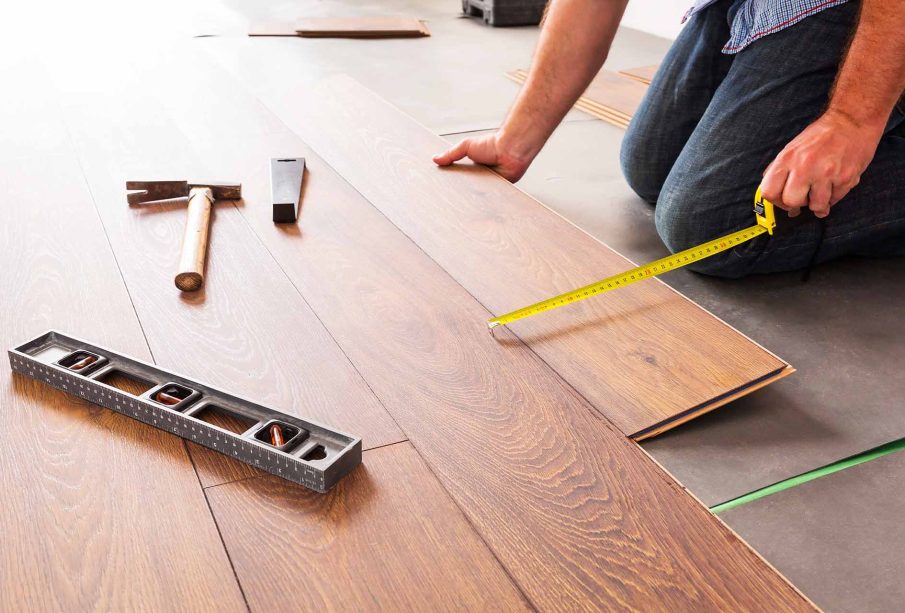
Laminate is much easier for a do-it-yourself project. It utilizes a click-and-lock tongue-and-groove system where the planks snap together over an underlayment without the need for glue, nails, or staples. This is known as a floating floor. Hardwood installation generally requires heavy equipment, floor staplers, or specialized adhesives, making it a better fit for professional installers.
How do I clean and maintain laminate flooring compared to hardwood?
Laminate flooring should be swept or vacuumed regularly using a hard-surface setting without a spinning brush roll. You can clean it using a damp microfiber mop with a dedicated laminate cleaner, but avoid wet mopping or steam cleaning, as excessive water can ruin the joints. Hardwood requires similar care but benefits from specialized wood soaps and occasional applications of wood refreshers to maintain its luster.
Does laminate flooring make more noise when walked on than hardwood?
Yes, laminate can produce a hollow, clicking sound when walked on, especially by pets with long nails or people wearing hard-soled shoes. This happens because it floats above the subfloor rather than being attached directly. You can drastically reduce this noise by installing a high-quality, sound-dampening foam or cork underlayment beneath the laminate planks.
Can engineered hardwood be refinished as many times as solid hardwood?
No, engineered hardwood cannot be refinished as often as solid wood. Because it features a top veneer layer of real wood over a plywood core, you can only sand it down as deep as that veneer allows. High-quality engineered floors with a thick top layer can be refinished two or three times, while budget options with thin veneers cannot be safely sanded at all.
Is hardwood or laminate a better choice for homes with radiant floor heating?
Engineered hardwood and high-quality laminate are both excellent choices for radiant heating systems because they are structurally stable and allow heat to transfer efficiently. Solid hardwood is not recommended for radiant heat because the direct, dry warmth can cause the solid planks to dry out excessively, leading to shrinking, cracking, and gapping between boards.
What is the AC rating on laminate flooring, and why does it matter?
The AC abrasion class rating measures a laminate floor’s resistance to wear, scratching, and impact on a scale from one to six. Residential spaces with normal activity should look for a rating of AC3, while busy households with multiple pets and heavy foot traffic should select an AC4 rating, which is durable enough to handle light commercial settings.