Why Buying Security Equipment Before an Assessment Can Lead to Gaps
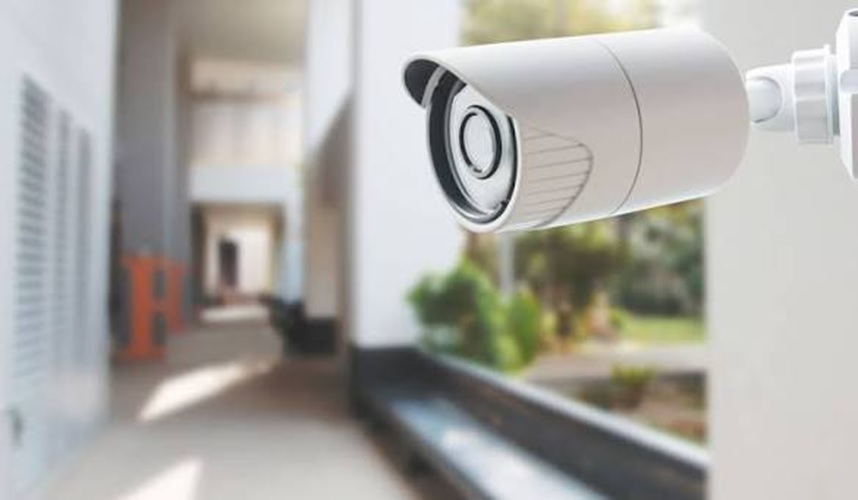
Many homeowners start improving security by buying cameras, alarms, smart locks, or motion lights. These tools can be useful, but equipment alone does not guarantee that a home is properly protected.
Security works best when it starts with an assessment. A residential security assessment looks at the property first, identifies the most important risks, and then helps homeowners decide which upgrades actually make sense.
Key Takeaways
- Buying equipment first can leave important security gaps unaddressed.
- Cameras, alarms, and smart locks only help when they support the right plan.
- A residential security assessment identifies risks based on the property layout.
- Vendor-neutral guidance helps homeowners avoid unnecessary or poorly placed equipment.
- SafeHouse provides written findings and prioritized recommendations before upgrades are made.
Equipment Should Support a Security Plan
A camera may record the front porch but miss the side gate. A smart lock may add convenience but do little if the door frame is weak. A motion light may brighten the driveway while leaving a walkway, backyard entrance, or detached garage in the dark.
These gaps often happen when homeowners buy devices one at a time without first understanding how someone could approach or enter the property.
A security assessment helps answer the more important question: what problem needs to be solved?
Why Buying First Can Lead to Wasted Spending
Without an assessment, homeowners may spend money on the most visible or popular products instead of the most urgent improvements. For example, a home may need better exterior lighting, stronger door hardware, gate repair, or improved camera placement before adding more devices.
Some security improvements are simple. Others may require help from a trusted vendor. The assessment helps separate urgent concerns from optional upgrades so homeowners can make better decisions.
What a Residential Security Assessment Reviews
SafeHouse Security Consultants evaluates the home as a complete property, not just a collection of devices. The assessment may review doors, windows, locks, gates, lighting, landscaping, alarms, cameras, access points, visibility, routines, surrounding conditions, and the overall layout.
This property-specific approach helps identify vulnerabilities that equipment alone may not fix.
Existing Security Equipment May Still Have Gaps
Many homeowners already have cameras or alarm systems, but that does not always mean the setup is effective. Cameras may be aimed too high, blocked by glare, or placed where they capture activity too late. Alarm sensors may not cover certain entry points. Lighting may not support camera visibility at night.
A residential security assessment can review the existing system and explain whether it supports the homeowner’s actual security goals.
Why Vendor-Neutral Guidance Matters
SafeHouse is a security consulting and assessment company, not an equipment retailer or alarm company. That means recommendations are based on the property’s needs, not a product sale.
After the assessment, homeowners receive written findings and prioritized recommendations. When needed, SafeHouse may also help coordinate trusted vendors for repairs, upgrades, installations, or pricing.
Final Thoughts
Buying security equipment without an assessment can create a false sense of protection. The home may have cameras, locks, or alarms, but still leave important areas exposed.
A residential security assessment gives homeowners a clearer starting point. It identifies the property’s real risks, helps prioritize improvements, and supports smarter security decisions.
Call SafeHouse Security Consultants at (424) 352-8639 to discuss a residential security assessment.
Frequently Asked Questions
Should I buy security equipment before getting an assessment?
It is usually better to start with an assessment. This helps identify the home’s real vulnerabilities before money is spent on cameras, alarms, locks, or lighting that may not solve the most important risks.
Can an assessment help if I already bought equipment?
Yes. A residential security assessment can review existing cameras, alarms, lighting, locks, and access points to see whether they are placed and configured effectively.
What kinds of gaps can equipment miss?
Common gaps include poor side-yard visibility, weak door frames, unsecured gates, dark walkways, detached garage access, overgrown landscaping, blind spots, and cameras that do not cover the right areas.
Does SafeHouse install security equipment?
SafeHouse primarily provides security consulting and assessments. The team evaluates the property, identifies risks, and provides recommendations. When needed, SafeHouse may help coordinate trusted vendors for installation, repairs, upgrades, or pricing.
Who benefits from a residential security assessment?
Homeowners, families, home buyers, home sellers, and real estate professionals may benefit from an assessment. It is especially useful before buying equipment, moving into a new home, preparing a property for sale, or improving security before travel or vacancy.
This article was written by a professional at SafeHouse Security Consultants. SafeHouse Security Consultants’ mission was to bring peace of mind into the home. We want to remove those fears and give you and your family peace of mind and security by applying our ten years of experience protecting people and properties to your home. We can help you protect your home with home security system companies in Hollywood, and eliminate those fears so that you can concentrate on the things that matter most to you.