How BodyPump Class Is Changing the Way Singaporeans Design Their Homes
Something interesting happens when a person commits to a consistent fitness routine. The effects do not stay at the gym. They migrate home. They show up in the contents of the fridge, in the timing of meals, in the choice of mattress, in the way a spare room gets repurposed, and in the quiet, deliberate decisions that turn a living space from simply somewhere to sleep into somewhere that actively supports a healthier lifestyle.
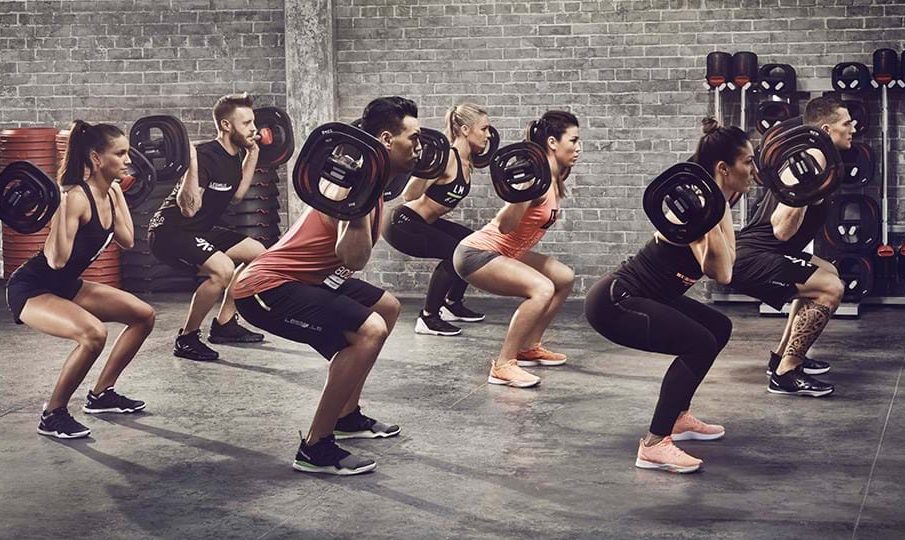
For a growing number of Singaporeans who train regularly at a bodypump class, the ripple effects of consistent training are reshaping how they think about their homes. This is not about converting an HDB flat into a commercial gym. It is about smaller, more intentional changes that acknowledge the reality that recovery, nutrition, sleep, and mobility are all part of the fitness equation and all happen at home.
The Recovery-Focused Home: Starting with Sleep
No training programme delivers results without adequate sleep. Sleep is when muscle protein synthesis peaks, when growth hormone is secreted, when the nervous system consolidates the neuromuscular patterns practised during training, and when inflammatory responses from exercise are resolved. For BodyPump participants training two to three times per week, the quality of their sleep environment directly influences the results they see from their training.
In Singapore’s residential landscape, where apartments tend to be compact and space is at a premium, the bedroom often serves multiple functions. It is an office, an entertainment space, a phone-scrolling zone, and an afterthought when it comes to sleep hygiene. Fitness-committed Singaporeans are increasingly pushing back against this. They are investing in blackout curtains to eliminate the street lighting and morning brightness that characterises most Singapore apartments, keeping bedroom temperatures lower than the typical Singaporean default setting, and removing screens from the bedroom environment to support melatonin production and sleep onset.
Mattress investment is another area where regular gym-goers tend to make more deliberate choices. A mattress that provides adequate pressure relief for shoulders and hips after a demanding upper body or lower body BodyPump session makes a real difference to sleep quality and morning recovery. Medium-firm mattresses with memory foam or latex pressure-relief layers have become popular choices among training-conscious Singaporeans who notice the correlation between mattress quality and how they feel on their next training day.
The Mobility and Stretching Corner
BodyPump delivers a structured warm-up and cool-down within the class, but the reality is that regular resistance training creates muscle tightness and mobility demands that extend beyond what a 60-minute class can fully address. Regular participants often begin to feel the cumulative tightness in their hip flexors from repeated lunge tracks, thoracic stiffness from squat and deadlift positions, and shoulder tightness from overhead pressing movements.
This awareness is driving a specific home design trend among fitness-committed Singaporeans: the intentional creation of a small mobility and stretching space within the home. This does not require a dedicated room. In Singapore’s space-constrained apartments, a cleared two-metre by two-metre area in the living room or bedroom corner that is reserved for post-class stretching, foam rolling, and mobility work has become increasingly common.
The equipment footprint is minimal. A good-quality foam roller, a yoga mat, a lacrosse ball for targeted soft tissue work, and a resistance band for assisted stretching are the core items that address the most common tightness patterns created by regular BodyPump training. Stored tidily against a wall or under a bed when not in use, these items occupy negligible space while providing meaningful recovery support between sessions.
Kitchen Design and Meal Preparation for Training-Focused Households
The relationship between gym training and home cooking habits is well documented. People who exercise regularly tend to eat more deliberately than those who do not, not because exercise automatically produces dietary virtue, but because the investment made in training creates a natural motivation to support that investment through nutrition.
For BodyPump regulars, this translates into specific kitchen habits and, increasingly, specific kitchen design considerations. Meal prep has become a genuine cultural practice among fitness-conscious Singaporeans, particularly those with demanding work schedules who cannot reliably access good nutrition around their training sessions without planning in advance.
A kitchen set up for efficient meal preparation favours storage solutions that keep high-protein staples visible and accessible. This means a clearly organised refrigerator section for cooked proteins like chicken breast, hard-boiled eggs, and steamed fish. It means a pantry or shelf with protein powder, nuts, oats, and whole grain carbohydrates within easy reach. It means having a quality blender for post-workout smoothies and an efficient rice cooker, which is a non-negotiable in most Singapore households, positioned for quick access.
Some Singaporean households that take training seriously have invested in a secondary compact refrigerator dedicated to training nutrition, separating workout nutrition from general household food to simplify the mental overhead of meal timing around BodyPump sessions.
Clothing and Equipment Storage: The Practical Side of the Gym Lifestyle
Regular gym attendance generates a specific set of storage requirements that most Singapore apartments are not designed to accommodate. Gym bags, training shoes, moisture-wicking clothing, water bottles, foam rollers, and resistance bands accumulate quickly and without a deliberate storage system they tend to create exactly the kind of cluttered, chaotic home environment that is counterproductive to the recovery mindset that supports good training.
Fitness-focused Singaporeans are solving this with dedicated gym gear zones near the front door or in utility areas. This typically involves a shoe rack section reserved for training footwear separate from everyday shoes, hooks or a small wardrobe section for gym bags and training clothing, and a compact shelf or basket for accessories like water bottles, resistance bands, and headphones.
The proximity to the front door is intentional. Research on habit formation consistently shows that reducing friction between intention and action, in this case making it easier to grab your gear and leave for class, increases the likelihood of following through on training plans. Having your BodyPump kit visible, organised, and ready to go as you leave the house eliminates the small but real barrier of searching for missing items before class.
Lighting Design and Its Role in Recovery
Singapore’s built environment is characterised by abundant artificial lighting, and most apartments lean toward bright, cool-toned LED lighting that is effective for visibility but poorly suited to the recovery and sleep preparation periods that regular training demands.
Fitness-conscious Singaporeans are increasingly investing in smart lighting solutions that allow colour temperature and intensity to be adjusted throughout the day. Morning lighting environments that support alertness and training readiness use cooler, brighter tones. Evening environments that support nervous system wind-down and sleep preparation shift to warmer, dimmer tones in the hours following an evening BodyPump session.
True Fitness Singapore classes typically end in the evening for working participants, and the transition from the energetic, brightly lit studio environment to a home environment that supports wind-down is something that thoughtful lighting design can meaningfully support.
Creating a Mindset Environment at Home
Beyond the physical and practical changes, there is a more subtle dimension to how regular fitness commitment changes the home environment. It shows up in the books on the shelf, the podcasts playing in the kitchen, the absence of late-night snack purchases, and the general orientation of the household’s daily rhythm toward recovery and renewal rather than simply rest and passive entertainment.
This mindset environment is perhaps the most significant and least tangible way in which a consistent BodyPump practice reshapes the home. The home becomes a place that actively supports the fitness commitment rather than simply coexisting with it, and this alignment between what happens inside the gym and what happens at home is one of the most reliable predictors of long-term training consistency and results.
FAQ
Q: How much space do I realistically need to create a meaningful mobility and stretching area at home? A: A two-metre by one-and-a-half-metre space is sufficient for most stretching and foam rolling work. In a Singapore apartment, this can typically be found in a living room corner, a cleared section of the bedroom floor, or a utility room. The key is keeping the area consistently clear rather than using it as an overflow storage space.
Q: What is the most important home investment a regular BodyPump participant can make for recovery? A: Based on the impact per dollar invested, improving sleep quality delivers the most significant training recovery benefit. This might mean blackout curtains, a room temperature adjustment, or a mattress upgrade, depending on the current state of your sleep environment. Quality sleep is when the majority of physical adaptation from training actually occurs.
Q: Should I buy a foam roller before or after starting BodyPump? A: After starting is more practical. Once you have attended a few classes and begun to feel where your body holds tightness, you will have a much better understanding of which self-myofascial release tools are genuinely useful for your body. A standard foam roller and a lacrosse ball cover most needs for the first six to twelve months of regular BodyPump training.
Q: My HDB flat has a small kitchen. How can I still manage meal prep effectively for training? A: Efficient meal prep in a compact kitchen is entirely achievable with good organisation. A rice cooker, a single quality non-stick pan, and a compact oven or air fryer, all of which are space-efficient, allow batch cooking of proteins and carbohydrates for two to three days at a time. Stacking storage containers in the fridge and labelling them by meal and day reduces the daily decision overhead significantly.
Q: Can home environment changes really improve my BodyPump results? A: Yes, in a measurable way. Sleep quality, nutrition preparation, stress recovery, and the psychological readiness to train consistently are all influenced by the home environment. Participants who support their training with deliberate home design choices typically find that they recover faster between sessions, feel more energised coming into class, and maintain their training routine more consistently over time.